
When Work Never Switches Off: Addressing Addiction and Mental Health in Technology Careers

Technology and engineering careers can offer meaningful work, intellectual challenge, and opportunities to solve complex problems. However, the same environments that reward focus, long hours, and constant availability can also create serious risks for mental health and addiction. When work never seems to switch off, stress can become chronic, unhealthy coping habits can develop, and substance use or behavioral addictions may begin to interfere with everyday life. Recognizing these concerns early can make it easier for technology professionals to seek addiction recovery support and build a healthier, more sustainable future.

Why Technology Careers Can Increase Addiction Risks

Technology professionals often work in fast-moving environments where deadlines, performance expectations, and constant change are part of the job. Engineers, developers, IT professionals, project leaders, and other specialists may spend much of their day solving problems under pressure.

For some people, this pressure can gradually affect emotional well-being.

The Always-Connected Work Culture

Technology makes it possible to work from almost anywhere at any time. Emails arrive after hours. Project messages appear on personal phones. A difficult technical issue can remain on someone’s mind long after they leave the office.

Over time, this constant connection can make it difficult to separate professional responsibilities from personal life. Without healthy boundaries, work-related stress may contribute to anxiety, irritability, sleep problems, isolation, and emotional exhaustion.

High Performance Can Hide Serious Problems

Many professionals in technology and engineering are accustomed to being viewed as capable problem solvers. They may be highly successful at work while privately struggling with alcohol misuse, drug use, compulsive technology use, gambling, or other unhealthy behaviors.

Because professional performance can remain intact for a period of time, addiction may go unnoticed.

That does not mean the problem is minor. Addiction can affect relationships, physical health, emotional stability, judgment, and long-term career satisfaction even when someone continues meeting workplace expectations.

Recognizing Signs of Addiction and Mental Health Struggles

One of the most important steps toward recovery is recognizing when coping strategies are becoming harmful.

Potential warning signs include:

  • Using alcohol or drugs to relax after stressful workdays
  • Feeling unable to function without a particular substance or behavior
  • Staying online or working compulsively despite exhaustion
  • Losing interest in relationships, hobbies, or activities outside work
  • Experiencing persistent anxiety, depression, irritability, or emotional numbness
  • Having difficulty sleeping because the mind remains focused on work
  • Increasing substance use to manage stress or maintain performance
  • Trying to cut back on a behavior or substance but repeatedly returning to it
  • Hiding substance use or compulsive behaviors from coworkers and loved ones
  • Continuing a harmful pattern despite consequences at home, work, or in personal health

A single warning sign does not automatically mean someone has an addiction. However, a pattern of escalating use, loss of control, and negative consequences deserves attention.

Understanding What May Be Behind the Addiction

Effective addiction treatment goes beyond telling someone to simply stop using a substance or behavior. Lasting recovery often requires understanding why the pattern developed in the first place.

Stress, Anxiety, and Emotional Overload

Professionals may turn to substances or compulsive behaviors because they temporarily provide relief from pressure. Alcohol may appear to make it easier to unwind. Drugs may seem to increase energy or concentration. Excessive work may create a sense of control.

Unfortunately, these strategies can create a cycle in which the temporary relief is followed by greater emotional and physical problems.

Mental health treatment can help individuals identify underlying concerns and develop healthier ways to respond to stress.

Perfectionism and Fear of Failure

Technology and engineering often reward precision and achievement. For some professionals, however, high standards can become perfectionism.

When mistakes feel unacceptable, even ordinary workplace challenges may trigger intense anxiety. A person may work longer hours, sacrifice sleep, or rely on substances to manage the pressure.

Recovery provides an opportunity to redefine success. Professional achievement does not have to come at the expense of health, relationships, or peace of mind.

Practical Strategies for Healthier Recovery

Recovery is personal, but several practical changes can support progress.

Create Clear Boundaries Around Technology

Start by establishing reasonable limits around work communication. Whenever possible, designate specific times for checking email and work messages. Keep work devices away from the bedroom and create a consistent transition between professional responsibilities and personal time.

These changes may seem simple, but they can help the brain recognize that the workday has ended.

Replace Unhealthy Coping Habits

Removing an addictive behavior without replacing its function can make recovery more difficult.

Consider healthier ways to manage stress, such as:

  • Regular physical activity
  • Consistent sleep routines
  • Time outdoors
  • Creative hobbies
  • Support groups
  • Counseling
  • Mindfulness or meditation
  • Healthy social connections
  • Journaling or reflective practices
  • Meaningful spiritual practices

The goal is not to eliminate every source of stress. Instead, recovery helps individuals respond to stress without relying on destructive coping mechanisms.

Seek Professional Support

Trying to overcome addiction alone can be overwhelming. Professional addiction recovery services can provide structure, accountability, education, and individualized guidance.

Treatment should address the whole person rather than focusing exclusively on substance use. For someone experiencing both addiction and anxiety, depression, trauma, or another mental health concern, integrated care can be especially important.

Choosing the Right Level of Addiction Treatment

Different people need different levels of support. A personalized assessment can help determine which approach is appropriate.

Inpatient Treatment

Inpatient care can provide a structured environment for individuals who need significant separation from substances, unhealthy routines, or triggering circumstances.

A stable treatment setting may allow someone to focus on recovery without the constant demands of a technology career. It can also provide access to professional support while new coping skills are developed.

Outpatient Treatment

Outpatient care can be helpful for people who need professional support while continuing to live at home and manage certain daily responsibilities.

Depending on individual needs, outpatient treatment may include counseling, mental health services, recovery planning, and ongoing support.

The right choice should be based on the person’s circumstances, addiction severity, mental health needs, safety, and recovery goals.

A Holistic Approach to Recovery

Addiction affects more than one part of life, so recovery should consider more than one dimension of wellness.

A holistic approach may address physical health, emotional well-being, relationships, daily routines, purpose, and spiritual needs. For people who value faith, spiritual support can also become an important part of the recovery process.

Individualized Care Matters

There is no single recovery plan that works for every technology professional.

One person may need intensive treatment for substance use and co-occurring depression. Another may need help establishing boundaries around compulsive work habits. Someone else may benefit from counseling focused on anxiety, trauma, relationships, or perfectionism.

Individualized care allows treatment to address the specific factors contributing to addiction rather than applying the same solution to everyone.

Recovery Does Not Mean Giving Up Your Career

Seeking addiction treatment does not mean abandoning ambition, technical expertise, or professional goals.

In fact, recovery can help professionals protect the parts of their lives that matter most. Better emotional regulation, healthier routines, improved relationships, and greater self-awareness can support long-term professional effectiveness.

The objective is not simply to return to work and resume the same pattern. It is to develop a healthier relationship with work, technology, achievement, and personal well-being.

Take the Next Step Toward Recovery

When work never switches off, it can become difficult to recognize where professional dedication ends and unhealthy coping begins. Addiction and mental health concerns can develop gradually, especially in demanding technology and engineering environments. However, struggling does not mean someone has failed, and asking for help is not a weakness.

Recovery begins with an honest assessment of what is happening and a willingness to make a change. Professional addiction recovery and mental health treatment can provide the guidance, structure, and individualized support needed to address both the symptoms and the underlying causes.

If substance use, compulsive behaviors, anxiety, depression, or work-related stress are beginning to affect your life, consider reaching out for professional help. The goal is not simply to work less or disconnect from technology. It is to build a life in which career success and personal wellness can exist together.


Under Pressure and Overconnected: Addiction Recovery Strategies for Technology Professionals

Technology professionals are expected to stay connected, solve problems quickly, meet demanding deadlines, and keep learning in an industry that rarely stands still. For many engineers, developers, IT specialists, and other tech professionals, that constant pressure can gradually affect mental health and personal well being. Long hours and persistent screen time may become normal, while unhealthy coping behaviors can develop quietly in the background. For someone struggling with substance use, compulsive technology use, or another addictive behavior, recovery requires more than simply taking a break from work. It requires understanding the pressures behind the behavior and developing healthier ways to manage stress, emotions, relationships, and daily responsibilities.

Why Technology Professionals May Struggle With Addiction

Technology careers can be rewarding, but they can also create conditions that make unhealthy coping easier to overlook. Tight deadlines, demanding projects, high expectations, remote work, and constant digital communication can make it difficult to establish a clear separation between professional and personal life.

A person may begin working late because a project needs attention. Then they may start checking messages after dinner, responding to emails before bed, or waking up to solve work problems. Eventually, being constantly available can feel like an unavoidable part of the job.

At the same time, professional pressure can encourage people to ignore emotional distress.

When Stress Becomes a Daily Routine

Chronic stress does not always look dramatic. It may appear as irritability, poor sleep, difficulty concentrating, emotional exhaustion, or a growing dependence on technology for distraction.

Some professionals turn to alcohol or drugs to relax after an intense workday. Others may use gaming, social media, online entertainment, or excessive work as a way to escape uncomfortable emotions.

These behaviors may provide temporary relief. However, when they become the primary way someone handles stress, they can create a cycle that becomes increasingly difficult to break.

Recognizing the Signs of a Problem

Technology use by itself is not an addiction. Likewise, working long hours during an important project does not automatically indicate a substance use disorder. The concern arises when a behavior becomes difficult to control and begins causing meaningful problems.

Warning Signs Worth Taking Seriously

Technology professionals may benefit from seeking support when they notice:

  • Repeated attempts to reduce substance or technology use that do not last
  • Using alcohol, drugs, or digital activities to cope with stress
  • Feeling unable to relax without a particular substance or activity
  • Continuing a behavior despite problems at work or home
  • Losing sleep because of screens, work, or substance use
  • Withdrawing from family, friends, hobbies, or other meaningful activities
  • Experiencing anxiety or irritability when unable to engage in the behavior
  • Needing more of a substance or activity to achieve the same sense of relief
  • Hiding the extent of substance use or compulsive behavior from others
  • Feeling that work or technology controls daily life rather than supporting it

Recognizing these signs does not mean someone has failed. Instead, awareness creates an opportunity to make a meaningful change.

Addiction Recovery Starts With Understanding the Root Cause

One of the most important addiction recovery strategies for technology professionals is identifying what the addictive behavior is helping the person manage.

For example, someone may drink every night because alcohol temporarily quiets work related anxiety. Another person may spend hours online because digital activity provides an escape from loneliness. Someone else may overwork because productivity provides a sense of control or self worth.

Simply removing the behavior without addressing the underlying need can leave a person vulnerable to relapse.

Explore the Emotional Drivers

Professional treatment can help individuals examine questions such as:

  • What emotions tend to appear before the addictive behavior?
  • What situations trigger the urge to use?
  • What does the behavior provide temporarily?
  • What consequences follow afterward?
  • Are anxiety, depression, trauma, burnout, or relationship difficulties involved?
  • What healthier strategies could provide similar relief?

Understanding these patterns allows recovery to become more intentional and sustainable.

Practical Addiction Recovery Strategies for Tech Professionals

Recovery does not require abandoning a technology career. Instead, it involves developing healthier ways to live and work within a technology driven environment.

Create Firm Technology Boundaries

Start by establishing periods when work technology is intentionally put away.

Turn off nonessential notifications outside working hours. Avoid checking work email immediately before bed. If possible, keep professional devices away from the bedroom.

These changes may seem small, but they can create valuable separation between professional demands and personal recovery time.

Build a Consistent Daily Routine

Addiction often disrupts routines. Recovery can benefit from restoring structure.

A balanced routine may include consistent sleep, regular meals, physical activity, meaningful social interaction, treatment appointments, and time away from screens.

Structure can reduce the amount of unplanned time in which cravings or compulsive behaviors take over.

Replace the Coping Behavior

Simply telling yourself not to engage in an addictive behavior is rarely enough. A healthier approach involves developing alternatives.

Exercise may help reduce stress. Journaling can provide a way to process difficult emotions. Meditation or prayer can create moments of reflection. Spending time with supportive people can reduce isolation.

The most effective strategies are those that genuinely fit the individual’s interests, values, and lifestyle.

Mental Health Treatment Is an Important Part of Recovery

Addiction and mental health concerns frequently influence one another. Anxiety, depression, unresolved trauma, chronic stress, and other emotional challenges can make addictive behaviors more difficult to manage.

For technology professionals, addressing mental health can be particularly important because workplace expectations may encourage people to keep performing even when they are struggling internally.

Treat the Person, Not Just the Addiction

Individualized mental health treatment looks beyond the addictive behavior. It considers the whole person, including personal history, relationships, career pressures, emotional needs, and recovery goals.

Counseling can help individuals develop healthier coping skills, improve emotional regulation, identify triggers, and rebuild confidence. When appropriate, treatment may also address co-occurring mental health concerns alongside addiction recovery.

This comprehensive approach can make recovery more relevant to the person’s everyday life.

Choosing the Right Level of Addiction Treatment

Every person’s recovery needs are different. Some individuals benefit from outpatient treatment that allows them to continue appropriate professional and family responsibilities while receiving regular support.

Others may need a more structured inpatient or residential environment, particularly when addiction has become severe or daily circumstances make recovery difficult.

Inpatient Care

Inpatient treatment can provide a structured setting where individuals can step away from familiar triggers and focus on stabilization and recovery.

For a technology professional who has become deeply immersed in work, screens, substances, or unhealthy routines, time in a supportive treatment environment can provide an opportunity to slow down and reassess priorities.

Outpatient Care

Outpatient treatment can provide ongoing professional support while allowing individuals to remain connected to work, family, and other responsibilities when appropriate.

This can be especially valuable for professionals who need a gradual transition toward healthier routines and stronger boundaries.

A professional assessment can help determine which level of care is most appropriate.

Holistic Recovery Supports Long Term Wellness

Recovery is not only about stopping substance use or changing one compulsive behavior. It is also about creating a life that feels meaningful without relying on addictive patterns for relief.

A holistic approach can address physical, emotional, social, and spiritual wellness.

Reconnecting With Life Beyond the Screen

Technology professionals often spend much of their working lives solving technical problems. Recovery can create an opportunity to reconnect with activities that have nothing to do with productivity.

Outdoor activities, creative interests, exercise, family time, volunteering, community involvement, and face to face relationships can all provide healthier sources of fulfillment.

The goal is not to reject technology. It is to make sure technology remains a tool rather than becoming the center of life.

Faith and Personal Values

For individuals who draw strength from faith, spiritual practices may provide an additional source of hope, purpose, and connection.

Prayer, reflection, community, and faith based counseling can help individuals explore questions of identity and purpose that often become important during recovery.

When integrated with professional addiction and mental health treatment, faith can become one part of a broader, individualized recovery plan.

Recovery Can Include Professional Success and Personal Wellness

Technology professionals do not have to choose between a meaningful career and a healthy life. Recovery can provide the skills and support needed to pursue both.

That may mean learning to set boundaries, recognizing triggers, treating underlying mental health concerns, rebuilding relationships, and developing healthier responses to stress. It may also mean accepting that asking for help is not a weakness.

Take the First Step

If alcohol, drugs, compulsive technology use, or unhealthy work habits are affecting your health, relationships, or ability to enjoy life, consider reaching out for professional support.

You do not need to wait until everything falls apart. Early support can provide an opportunity to understand what is happening and develop a personalized path forward.

With compassionate addiction recovery services, mental health treatment, and an individualized approach to care, technology professionals can learn to manage pressure without allowing work or addictive behaviors to control their lives.

Recovery does not require giving up ambition. It means building the stability, self awareness, and support necessary to enjoy your accomplishments while protecting the person behind them. If you are under pressure, constantly connected, and struggling to regain control, the next step can begin with one honest conversation and a willingness to seek help.

Beyond Technical Success: Helping Engineers Build Healthier Relationships With Work and Technology

Technical success can be deeply rewarding. Engineers solve complex problems, build systems that improve everyday life, and turn ideas into practical solutions. Yet success in a demanding engineering career can also come with a hidden challenge: knowing when work and technology are taking up too much space in life. Long hours, constant notifications, high expectations, and a workplace culture that celebrates being busy can gradually affect mental health. For some professionals, unhealthy patterns can contribute to burnout, substance use, compulsive technology use, or other addictive behaviors. Learning how to build a healthier relationship with work and technology is an important part of protecting long term wellness.

When Professional Dedication Becomes an Unhealthy Pattern

Dedication is not the same as addiction. Engineers often need focus, persistence, and attention to detail to do their jobs well. However, problems can develop when a person feels unable to stop working, disconnect from technology, or rest without experiencing guilt or anxiety.

An engineer may tell themselves they are simply finishing one more task. Hours later, they may still be working. Another professional may check emails throughout the evening, respond to messages during family time, or wake up during the night to look at notifications.

Over time, these behaviors can become normal. Unfortunately, what feels normal in a high pressure work culture is not always healthy.

Signs That Work and Technology May Be Taking Over

It may be time to look more closely at your habits if you notice:

  • Difficulty stopping work at the end of the day
  • Feeling guilty when resting or taking time off
  • Checking work messages repeatedly without a clear need
  • Losing sleep because of projects, screens, or notifications
  • Neglecting relationships or hobbies because of work
  • Using technology to avoid stress or uncomfortable emotions
  • Feeling anxious when disconnected from devices
  • Turning to alcohol, drugs, or other behaviors to cope with pressure

These experiences do not automatically mean that someone has an addiction. However, a growing loss of control or continuing harmful consequences can be an important warning sign.

Why Engineers Can Struggle With Work Life Balance

Engineering careers can create unique pressures. Projects may involve complex systems, strict deadlines, financial consequences, and high expectations for accuracy. In many fields, technology also changes quickly, creating pressure to keep learning and remain competitive.

The Culture of Constant Productivity

Some workplaces unintentionally encourage unhealthy habits by treating constant availability as a sign of commitment. Employees may feel pressure to answer messages immediately or remain connected after normal working hours.

Remote work can make these boundaries even harder to maintain. When the office is accessible from a laptop or phone, work can follow a person into the evening, weekend, or vacation.

Over time, constant engagement can make rest feel unfamiliar. A person may even begin to feel uncomfortable when they are not accomplishing something.

The Connection Between Mental Health and Unhealthy Coping

Chronic stress affects more than productivity. It can influence sleep, mood, relationships, physical health, and decision making. Engineers experiencing ongoing pressure may also struggle with anxiety, depression, irritability, or burnout.

When emotional stress becomes difficult to manage, people often look for quick relief.

For one person, that may mean working even more to avoid difficult feelings. For another, it may involve excessive gaming, social media, online activity, alcohol, or drugs. The behavior may temporarily provide comfort or distraction, but it does not resolve the underlying source of stress.

Why Escape Can Become Compulsion

Compulsive behaviors often develop because they seem to work at first. A drink may appear to help someone relax after a difficult day. A few hours online may provide an escape from pressure. More work may temporarily prevent someone from thinking about anxiety or relationship problems.

However, relying on the same behavior repeatedly can create a harmful cycle.

Stress leads to the behavior. The behavior provides temporary relief. The underlying problem remains. Eventually, the consequences of the behavior may create even more stress.

Breaking this cycle often requires more than simply telling yourself to stop.

Building a Healthier Relationship With Work

A successful career should support a meaningful life, not replace one. Creating healthier boundaries can help engineers remain productive while protecting their mental and emotional well-being.

Define When the Workday Ends

Whenever possible, establish a consistent time to stop working. This does not mean that occasional emergencies will never occur. Instead, it means avoiding the habit of treating every evening as an extension of the workday.

Create a transition between work and personal life. Shut down the computer, leave the workspace, take a walk, exercise, or spend time with family.

The goal is to teach your mind that productivity and rest can both have a place in a healthy life.

Separate Your Worth From Your Output

Professional achievement can become closely connected to personal identity. An engineer may begin to believe that being useful means constantly producing, solving, or achieving.

Personal worth, however, is not measured by the number of hours worked or problems solved.

A healthier perspective recognizes that rest, relationships, health, and personal interests are not obstacles to success. They are essential parts of a balanced life.

Creating Healthier Technology Habits

Technology is a necessary part of many engineering careers. Recovery and wellness do not always require eliminating technology. Instead, the goal is to use it intentionally.

Take Breaks From Screens

Regular breaks can support concentration and reduce the feeling of being constantly connected. Step away from the computer, move your body, spend time outside, or engage in a conversation without checking a device.

Even brief periods away from technology can help create mental space.

Protect Your Personal Time

Consider setting limits around work notifications. If possible, avoid checking professional messages during meals, family activities, and the period before sleep.

Technology should be a tool that supports your goals. When it begins controlling your attention and emotional state, healthier boundaries may be necessary.

When Professional Support Can Help

Sometimes, healthy habits alone are not enough. If technology use, work patterns, substance use, or other compulsive behaviors have become difficult to control, professional support can make a meaningful difference.

Addiction and mental health concerns often involve underlying factors that deserve attention. Stress, trauma, anxiety, depression, relationship difficulties, and burnout can all influence how a person copes.

Individualized Treatment Matters

No two engineers experience stress or addiction in exactly the same way. Effective care should recognize the individual’s history, circumstances, mental health needs, and recovery goals.

Individual counseling, group support, mental health treatment, and relapse prevention can help people better understand the patterns behind harmful behaviors. A personalized approach can also help individuals develop practical coping strategies that fit their lives.

Inpatient and Outpatient Care

Different levels of care may be appropriate depending on the severity of a person’s needs.

Inpatient or residential treatment can provide a structured environment for individuals who need intensive support and time away from everyday triggers. This setting may allow a person to focus fully on recovery and emotional healing.

Outpatient care can provide ongoing treatment while allowing individuals to continue meeting appropriate work, family, and personal responsibilities. For many professionals, this flexibility can be an important part of maintaining recovery while returning to daily life.

A professional assessment can help determine what level of support is most appropriate.

Healing the Whole Person

Lasting recovery is about more than stopping one behavior. It is about creating a healthier and more fulfilling life.

A holistic approach can recognize the connection between physical health, emotional well-being, relationships, personal values, and spiritual needs. Exercise, healthy sleep, mindfulness, meaningful recreation, supportive relationships, and stress management can all contribute to long term wellness.

Faith and Spiritual Support in Recovery

For individuals who value faith, spiritual support can also be an important part of healing. Faith based care may offer hope, encouragement, purpose, and a supportive community.

Spiritual values can help individuals reflect on what matters most and rebuild a sense of identity beyond career success or addictive behaviors. Faith based support can be especially meaningful when integrated respectfully with individualized addiction recovery and mental health care.

Success Should Include Your Well Being

Engineers are trained to solve difficult problems, but they do not have to solve every personal struggle alone. Technical success is valuable, yet a healthy life requires more than professional achievement.

If work has become compulsive, technology feels impossible to put down, or stress has led to substance use or other harmful behaviors, there is no shame in asking for help. Recognizing the problem is often the first step toward meaningful change.

Recovery can provide an opportunity to build healthier routines, address underlying mental health concerns, strengthen relationships, and develop new ways of responding to stress. With compassionate and individualized support, it is possible to pursue a successful career without sacrificing your health and well-being.

Take the Next Step Toward Balance and Recovery

You do not have to wait for a crisis before making a change. If unhealthy work habits, technology dependence, or substance use are affecting your life, reaching out for professional support can be a powerful first step.

Recovery is not about giving up ambition or abandoning technology. It is about regaining control and creating a life where work has healthy boundaries, technology serves a purpose, and personal well-being receives the attention it deserves.

With the right addiction recovery services, mental health support, and an individualized approach to healing, lasting change is possible. Whether someone needs a more structured level of care or flexible ongoing support, the path forward can begin with one honest conversation. Reaching out for help today can be the first step toward a healthier relationship with work, technology, and yourself.

Always Online, Always Working: Breaking Unhealthy Technology Habits Before They Become Addiction

Technology has made work faster, more flexible, and more connected than ever. For engineers, developers, IT professionals, and other technology workers, however, that connectivity can come with a hidden cost. A quick email after dinner can turn into an hour of work. A project notification can interrupt sleep. Checking a phone can become an automatic response to stress or boredom. Over time, being constantly connected can affect sleep, relationships, mental health, and the ability to relax. In some cases, unhealthy technology habits can become compulsive and contribute to addiction. Recognizing the difference between productive technology use and harmful dependence is an important step toward protecting long term wellness.


When Technology Stops Serving You

Technology itself is not the problem. Computers, smartphones, collaboration platforms, and other digital tools are essential to modern careers. The concern arises when technology begins controlling a person’s attention, schedule, or emotional state.

A professional may intend to work for another 30 minutes but continue for several hours. Someone may repeatedly check workplace messages even when there is no urgent reason. Another person may feel uncomfortable or anxious whenever they are away from a device.

These patterns can gradually become automatic.

Signs of Unhealthy Technology Habits

Some common warning signs include:

  • Checking work messages constantly
  • Working late every night despite feeling exhausted
  • Using devices immediately after waking and before going to sleep
  • Feeling anxious when unable to access technology
  • Sacrificing sleep or relationships for screen time
  • Struggling to enjoy activities that do not involve technology
  • Using work or digital entertainment to avoid difficult emotions
  • Repeatedly trying to reduce screen time without success

One behavior alone does not necessarily indicate addiction. However, persistent loss of control and significant effects on daily life deserve attention.

Why Technology Professionals May Be Especially Vulnerable

Technology careers often require sustained concentration and frequent digital interaction. Engineers and IT professionals may need to monitor systems, respond to problems, collaborate remotely, and meet demanding deadlines.

In addition, many technology workplaces reward responsiveness. Being available can be viewed as dedication, while disconnecting may create concerns about falling behind.

The Always On Workplace

Remote work and mobile communication have blurred traditional boundaries. A professional can receive a message from a colleague at almost any hour. Cloud systems and remote access can make it tempting to solve one more problem before going to bed.

Without intentional boundaries, work can gradually expand into every part of the day.

That constant engagement can contribute to chronic stress and burnout. When the brain rarely gets an opportunity to disengage, relaxation itself may begin to feel uncomfortable.

How Stress Can Fuel Compulsive Technology Use

Unhealthy technology habits are often connected to emotional needs. Someone experiencing stress may use work as a distraction. Another person may turn to gaming, social media, streaming, or online activity to escape anxiety or loneliness.

The behavior may provide temporary relief. Unfortunately, the underlying problem remains.

Over time, the person may need more screen time to experience the same sense of relief. Sleep can suffer, relationships can become strained, and responsibilities outside the digital environment may receive less attention.

Technology and Mental Health

Mental health concerns can increase the risk of developing unhealthy coping patterns. Anxiety, depression, chronic stress, and burnout may all contribute to excessive technology use.

At the same time, excessive screen use can worsen these concerns by interfering with sleep, reducing physical activity, and limiting meaningful face to face connection.

This is why effective support should consider both the behavior and the emotional factors behind it.

Breaking the Cycle Starts With Awareness

Changing an unhealthy technology habit begins with understanding when and why it occurs.

For one week, pay attention to when you reach for a device. Ask yourself:

  1. Am I using technology because I need to, or because I feel uncomfortable?
  2. What emotion am I experiencing before I start?
  3. How long did I intend to use the device?
  4. Did I lose track of time?
  5. What did I postpone because of the activity?
  6. How did I feel afterward?

These questions can reveal patterns that are difficult to see when technology use has become automatic.

Practical Ways to Create Healthier Technology Habits

Small changes can make a meaningful difference when practiced consistently.

Establish Technology Free Boundaries

Create specific periods when work devices are put away. For example, consider avoiding work email during meals and establishing a technology free period before bedtime.

The goal is not to eliminate technology. It is to make intentional use possible.

Protect Your Sleep

Late night screen use and work can interfere with healthy sleep routines. Establish a consistent bedtime and avoid using work as the final activity of the day.

If possible, charge your phone outside the bedroom or use device settings that limit notifications overnight.

Schedule Real Breaks

Taking a break does not mean being unproductive. The brain needs periods of recovery to maintain focus and emotional balance.

Step away from the screen, take a walk, stretch, spend time outdoors, or talk with someone face to face.

Reconnect With Life Outside Technology

Healthy recovery includes activities that have nothing to do with work or screens. Exercise, hobbies, family relationships, community involvement, and time in nature can provide meaningful alternatives to compulsive digital engagement.

When Unhealthy Habits Become Addiction

Not everyone who spends long hours online has an addiction. However, professional help may be appropriate when a behavior becomes difficult to control and continues despite harmful consequences.

Warning signs may include repeated failed attempts to stop, significant relationship problems, declining performance, sleep disruption, emotional distress, or using technology primarily to escape difficult feelings.

Substance use can also become part of the cycle. Some professionals may use alcohol, prescription medications, or other substances to cope with the stress associated with demanding technology careers.

Look Beyond the Behavior

Successful addiction recovery addresses more than the visible behavior. It explores the stress, emotions, mental health concerns, and life circumstances that may be contributing to it.

Individualized treatment can help a person develop healthier coping skills while addressing co occurring mental health concerns.

Professional Addiction Recovery Can Provide a Path Forward

When self directed changes are not enough, professional treatment can provide structure, accountability, and compassionate guidance.

Inpatient Treatment

Inpatient care can provide a stable environment for individuals who need more intensive support. Stepping away from work and everyday triggers can create valuable space for focusing on recovery and rebuilding healthy routines.

Outpatient Treatment

Outpatient care provides ongoing counseling and recovery support while allowing individuals to maintain appropriate work and family responsibilities. This can be particularly useful for professionals who need treatment that fits into their daily lives.

The right level of care depends on the individual’s circumstances and clinical needs.

Supporting Recovery Through Whole Person Care

Lasting recovery involves more than changing screen habits. It means rebuilding a healthier relationship with work, technology, relationships, and personal well-being.

Holistic Approaches

Holistic care can complement addiction and mental health treatment by addressing physical and emotional wellness. Healthy nutrition, exercise, mindfulness, relaxation, sleep, and meaningful recreation can all support recovery.

These practices give individuals healthier ways to manage stress rather than immediately turning toward a device, work, or another addictive behavior.

Faith Based Support

For individuals who value faith, spiritual care can provide an additional source of hope, purpose, and encouragement. Faith based approaches can be integrated with professional treatment to create a recovery experience that respects the whole person.

Building a Healthier Relationship With Technology

Technology does not need to disappear from your life for recovery to succeed. The goal is to regain control.

Healthy technology use means being able to turn off the computer without guilt, enjoy time with family without checking work messages, sleep without worrying about notifications, and experience fulfillment away from a screen.

For technology professionals, these skills can be especially important. A sustainable career requires more than technical ability. It requires the physical, emotional, and mental capacity to continue doing meaningful work without sacrificing personal wellness.

Take the First Step Toward Balance

Being connected can be valuable. Being unable to disconnect can become harmful. If work, technology, or substance use has begun affecting your mental health, relationships, sleep, or sense of control, it may be time to seek support.

Addiction recovery and mental health treatment can help individuals understand the underlying causes of unhealthy behaviors and develop practical strategies for lasting change. Inpatient and outpatient care, along with individualized, holistic, and faith based approaches, can provide different pathways toward recovery based on each person’s needs.

You do not have to choose between technology and a healthy life. With the right support, you can learn to use technology intentionally, set healthier boundaries, reconnect with the people and activities that matter, and move toward lasting wellness.

The Pressure to Perform: How Engineering Culture Can Affect Mental Health and Addiction

Engineering rewards precision, persistence, and problem solving. These qualities help engineers design safer systems, develop new technologies, and solve challenges that shape everyday life. However, a culture built around high performance can also create significant pressure. Long hours, demanding deadlines, perfectionism, constant connectivity, and the expectation to solve problems independently can gradually affect mental health. For some engineers, chronic stress may lead to burnout, anxiety, depression, substance use, or other addictive behaviors. Understanding the connection between engineering culture, mental health, and addiction can help professionals recognize problems early and seek meaningful support.

Why Engineering Culture Can Create Mental Health Pressure

Engineering is often associated with intelligence, innovation, and technical expertise. While these qualities are valuable, they can sometimes create unrealistic expectations. Engineers may feel pressure to always have the answer, solve problems quickly, and maintain a high level of productivity.

In technology focused workplaces, this pressure can become even more intense. Projects may involve tight deadlines, frequent changes, complex systems, and teams working across different time zones. Digital communication also makes it possible for work to follow employees home.

Common Sources of Stress for Engineers

Several factors can contribute to chronic workplace stress, including:

  • High expectations for accuracy and performance
  • Long work hours and demanding project schedules
  • Fear of making costly mistakes
  • Pressure to continually learn new technologies
  • Difficulty disconnecting from work
  • Competitive workplace environments
  • Limited time for rest and personal activities

Occasional stress is a normal part of professional life. The concern begins when stress becomes constant and an individual no longer has enough opportunity to recover.

How Chronic Stress Can Affect Mental Health

When the body and mind remain under pressure for extended periods, emotional and physical exhaustion can develop. Engineers experiencing chronic workplace stress may have difficulty sleeping, concentrating, relaxing, or enjoying activities outside their careers.

Over time, unresolved stress can contribute to anxiety and depression. Some individuals may also experience irritability, social withdrawal, loss of motivation, or feelings of inadequacy.

The Role of Perfectionism

Perfectionism can be particularly challenging in engineering environments. Attention to detail is essential when designing systems or solving technical problems. However, perfectionism can become unhealthy when someone believes that mistakes are unacceptable or that their value depends entirely on professional performance.

An engineer may continue working long after a reasonable stopping point because a project never feels finished. Eventually, this pattern can lead to exhaustion and make healthy boundaries increasingly difficult to maintain.

The Connection Between Mental Health and Addiction

Mental health and addiction are often closely connected. When people experience prolonged anxiety, depression, stress, or burnout, they may look for quick ways to escape uncomfortable emotions.

For some engineers, that may mean turning to alcohol or other substances after stressful workdays. Others may become dependent on stimulants, excessive gaming, social media, work itself, or other behaviors that provide temporary relief.

These coping mechanisms can become problematic when they are difficult to control or begin interfering with daily life.

Warning Signs of a Developing Problem

Addiction can develop gradually, and high-functioning professionals may overlook the warning signs.

Potential signs include:

  • Using alcohol or substances to relax or cope with work stress
  • Increasing the amount or frequency of substance use
  • Feeling unable to take time away from work
  • Sacrificing sleep to finish projects
  • Becoming anxious or irritable when unable to work
  • Losing interest in hobbies or relationships
  • Continuing a behavior despite negative consequences
  • Trying to cut back but repeatedly returning to the same pattern

These signs do not necessarily indicate addiction on their own. However, they are important reasons to consider speaking with a qualified professional.

Why Engineers May Hesitate to Ask for Help

Engineers are trained to analyze problems and find solutions. Asking someone else for help can therefore feel uncomfortable, particularly when the problem involves personal or emotional health.

Some professionals may worry that admitting they are struggling will make them appear weak or less capable. Others may fear that treatment could affect their reputation or career.

Seeking Help Is a Sign of Strength

Mental health and addiction are health concerns, not character flaws. Seeking treatment does not erase professional accomplishments or diminish a person’s abilities.

In fact, addressing an addiction or mental health concern can improve concentration, emotional stability, relationships, and overall quality of life. Professional support provides an opportunity to understand what is happening and develop healthier ways to manage stress.

What Addiction Recovery Can Look Like

There is no single path to recovery. Effective treatment should reflect the individual’s circumstances, needs, and goals.

Individualized Addiction Treatment

Individualized treatment can address both addictive behaviors and the underlying issues that contribute to them. Depending on the person’s needs, treatment may involve individual counseling, group therapy, behavioral therapies, mental health services, relapse prevention, and family support.

A personalized plan can also help professionals identify healthier ways to manage workplace pressure without relying on substances or compulsive behaviors.

Inpatient and Outpatient Care

The appropriate level of treatment depends on the severity of the addiction and the person’s overall circumstances.

Inpatient treatment provides a structured environment where individuals can step away from workplace demands and focus on recovery. This level of support can be especially valuable when addiction has become difficult to manage independently.

Outpatient treatment allows individuals to participate in therapy and recovery services while continuing to manage work, family, and other responsibilities. Ongoing professional support can help reinforce healthy habits in everyday situations.

Taking a Holistic Approach to Recovery

Recovery involves more than addressing substance use. Lasting wellness requires attention to the physical, emotional, social, and spiritual aspects of life.

Healthy Ways to Manage Engineering Stress

Engineers can strengthen their mental wellness by developing routines that create space for recovery. Practical strategies include:

  • Establishing clear working hours
  • Taking regular breaks from screens
  • Protecting time for sleep
  • Exercising consistently
  • Maintaining relationships outside work
  • Practicing mindfulness or relaxation techniques
  • Pursuing hobbies unrelated to professional achievement
  • Talking with a counselor when stress becomes difficult to manage

These habits may seem simple, but consistency can make a meaningful difference.

The Value of Faith-Based Support

For individuals who draw strength from their faith, spiritual care can provide an additional source of hope, purpose, and encouragement. Faith-based approaches can be integrated with professional addiction and mental health treatment to support the whole person.

This type of care can help individuals reconnect with their values and develop a stronger sense of purpose beyond professional achievement.

Creating a Healthier Engineering Culture

Individual recovery matters, but workplace culture matters too. Engineering organizations can help reduce addiction and mental health risks by encouraging reasonable workloads, supporting time away from work, promoting open conversations about mental health, and making professional resources accessible.

Managers and colleagues can also help by recognizing that constant availability is not the same as commitment. A healthier workplace allows employees to perform at a high level without expecting them to sacrifice their well-being.

A Healthier Future Is Possible

The pressure to perform can be powerful, but it does not have to control an engineer’s life. Mental health challenges and addiction can affect highly skilled, successful professionals, and asking for help is not a failure. It is a practical step toward protecting health, relationships, and long-term success.

If workplace stress, substance use, burnout, or compulsive behaviors are becoming difficult to manage, professional treatment can provide the support needed to move forward. Addiction recovery services combined with mental health treatment, individualized care, inpatient or outpatient support, and holistic or faith-based approaches can help address the underlying causes of addiction while building healthier coping skills.

Your career may be an important part of who you are, but it should not define your entire life. With compassionate support and a personalized recovery plan, it is possible to regain balance, protect your mental health, and continue building a future that is successful both professionally and personally.

When Productivity Becomes a Problem: Recognizing Addiction Risks in Technology Careers

Technology careers reward focus, persistence, and the ability to solve difficult problems. For many engineers, developers, IT specialists, and technology professionals, being productive is more than a workplace expectation. It can become part of their identity. Yet when productivity begins to dominate every part of life, the same drive that supports professional success can become harmful. Long hours, constant connectivity, chronic stress, and pressure to perform can contribute to burnout, mental health concerns, and addiction. Recognizing these risks early can help technology professionals protect their well-being and find a healthier path forward.

When Productivity Stops Being Healthy

Working hard is not inherently unhealthy. A demanding project or occasional late night may simply be part of a career. The concern begins when work becomes difficult to control and consistently takes priority over sleep, relationships, physical health, and personal interests.

Technology professionals can be particularly vulnerable because digital tools make it possible to work almost anywhere and at any time. A laptop can turn a bedroom into an office. A phone can bring workplace messages to the dinner table. A project notification can interrupt an evening that was supposed to be restorative.

Over time, constant availability can make it difficult to recognize where dedication ends and compulsive behavior begins.

Signs That Work Has Become Compulsive

Some warning signs deserve attention, particularly when several occur together:

  • Working significantly longer than intended on a regular basis
  • Feeling anxious or guilty when taking time away from work
  • Sacrificing sleep to complete tasks
  • Checking work messages repeatedly during personal time
  • Losing interest in hobbies, friendships, or family activities
  • Becoming irritable when unable to work
  • Using alcohol or other substances to relax after demanding workdays
  • Feeling that personal worth depends on professional achievement

These signs do not automatically mean someone has an addiction. However, they can indicate that it is time to examine how work and technology are affecting overall health.

How Workplace Stress Can Increase Addiction Risk

Chronic stress can make healthy coping more difficult. When a person repeatedly experiences pressure without enough time to recover, they may begin looking for quick ways to reduce anxiety, escape difficult emotions, or maintain their performance.

For some professionals, alcohol or other substances become a way to unwind. Others may rely on excessive gaming, social media, online entertainment, or compulsive technology use. Work itself can also become a form of escape.

The problem is that these behaviors often provide only temporary relief. As the underlying stress continues, the behavior may become more frequent and harder to control.

The Relationship Between Mental Health and Addiction

Addiction and mental health concerns often overlap. Anxiety, depression, burnout, unresolved trauma, and chronic stress can contribute to unhealthy coping patterns. At the same time, substance use and compulsive behaviors can make emotional symptoms worse.

This creates a cycle that can be difficult to break without professional support. Effective treatment therefore looks beyond the addictive behavior itself and considers the whole person.

Why Technology Professionals May Overlook the Warning Signs

Engineers and technology professionals are often trained to solve problems independently. That strength can become a barrier when the problem is personal.

Someone who is highly capable at work may assume that they should be able to manage stress alone. They may also minimize warning signs because their productivity remains high.

Success Can Hide a Serious Problem

Addiction does not always look like a dramatic loss of control. A person may continue receiving promotions, completing projects, and meeting professional expectations while privately struggling with substance use or compulsive behavior.

That is why functioning at work does not necessarily mean everything is fine. Changes in sleep, relationships, mood, health, and behavior can provide important clues that something needs attention.

Building Healthier Boundaries Around Technology

Preventing addiction begins with creating sustainable habits. Technology professionals can take practical steps to separate productivity from personal identity.

Establish Clear Work and Personal Boundaries

Whenever possible, establish specific working hours and protect time outside those hours. Turn off nonessential notifications. Avoid routinely checking workplace communication immediately before bed.

A boundary is more effective when it is consistent. Even small changes can create meaningful opportunities for rest and recovery.

Make Recovery Part of the Schedule

Rest should not be treated as something that happens only after every task is finished. Regular sleep, exercise, nutritious meals, social connection, and time away from screens are essential parts of maintaining mental wellness.

Professionals can also benefit from activities that have nothing to do with productivity. Spending time outdoors, pursuing creative interests, connecting with friends, or simply being present without a device can help restore balance.

When Professional Treatment Is Needed

Healthy habits can be valuable, but they are not always enough. If substance use, compulsive technology use, or another addictive behavior is affecting relationships, health, work, or daily functioning, professional treatment may be appropriate.

A comprehensive approach can address both addiction and the mental health concerns that may contribute to it.

Individualized Addiction Recovery

Every person’s circumstances are different. Effective treatment should consider the individual’s history, needs, responsibilities, relationships, and recovery goals.

Individualized care may include counseling, behavioral therapies, group support, mental health treatment, relapse prevention planning, and other evidence-based services. The goal is not simply to stop an unwanted behavior. It is to help the individual understand its underlying causes and develop healthier ways to respond to stress.

Inpatient and Outpatient Care

Different levels of treatment can provide different forms of support.

Inpatient care offers a structured environment for people who need more intensive support. Stepping away from workplace demands can create valuable space for stabilization, reflection, and focused recovery.

Outpatient care can provide counseling and ongoing support while allowing individuals to continue managing work, family, and other responsibilities. The appropriate level of care depends on the person’s circumstances and clinical needs.

Supporting the Whole Person Through Recovery

Addiction recovery involves more than changing one behavior. Sustainable wellness requires attention to emotional, physical, relational, and spiritual well-being.

Holistic Approaches to Wellness

Holistic recovery strategies can complement clinical treatment by helping individuals develop healthier ways to manage stress. Depending on the treatment plan, these may include mindfulness, physical activity, nutritional support, healthy sleep practices, relaxation techniques, and other wellness-focused activities.

These practices can help technology professionals reconnect with parts of life that may have been neglected while work and productivity took center stage.

Faith-Based Support

For individuals who draw strength from faith, spiritual support can provide an important source of hope, meaning, and encouragement. When combined with professional addiction and mental health treatment, faith-based care can become part of a personalized recovery plan that respects the individual’s values and beliefs.

Recovery Does Not Mean Giving Up Your Career

One of the biggest concerns for professionals considering treatment is the fear that recovery will damage their career. In reality, addressing addiction and mental health concerns can help people become healthier, more focused, and more capable of sustaining long-term professional success.

Recovery is not about abandoning ambition. It is about creating a healthier relationship with achievement.

A successful career should leave room for sleep, relationships, recreation, physical health, and peace of mind. Productivity should support a meaningful life rather than replace it.

Take the Next Step Toward a Healthier Balance

Technology professionals spend their careers solving complex problems. Sometimes, however, the most important problem to address is the one affecting their own well-being. When productivity becomes compulsive, recognizing the warning signs can be the beginning of meaningful change.

If work, technology, or substance use has become difficult to control, reaching out for professional support can provide a path forward. Comprehensive addiction recovery and mental health treatment, including individualized inpatient and outpatient care and holistic or faith-based approaches, can help individuals address the roots of unhealthy behaviors while building practical skills for lasting recovery.

You do not have to choose between a successful career and a healthy life. With the right support, it is possible to pursue both.

Building Healthier Habits: Supporting Mental Wellness and Addiction Recovery in Engineering Careers

Engineering is a profession built on innovation, precision, and problem solving. Whether designing infrastructure, developing software, managing complex systems, or advancing technology, engineers play an essential role in shaping the world around us. However, behind these accomplishments is a career that often demands long hours, intense concentration, and constant adaptation to new challenges. Over time, these pressures can take a toll on mental health and increase the risk of addiction. Fortunately, recovery is possible. By building healthier habits, seeking professional support, and addressing mental wellness with the same dedication applied to engineering projects, individuals can achieve lasting recovery while continuing to thrive in their careers.

Understanding the Mental Health Challenges Engineers Face

Engineering careers often involve significant responsibility. Tight deadlines, technical complexity, and the expectation of delivering accurate results can create ongoing stress. In many workplaces, professionals are also expected to remain connected through emails, messaging platforms, and remote access systems, making it difficult to truly step away from work.

While occasional stress is normal, chronic stress without adequate recovery can contribute to burnout, anxiety, depression, and unhealthy coping behaviors. For some individuals, these challenges eventually lead to substance use disorders or behavioral addictions involving work, technology, gaming, or other compulsive activities.

Common Stressors in Engineering Careers

Several workplace factors can affect mental wellness, including:

  • High performance expectations
  • Long work hours and demanding project schedules
  • Constant learning to keep up with evolving technologies
  • Limited work-life balance
  • Pressure to solve critical problems quickly
  • Continuous digital connectivity

Recognizing these stressors is an important first step toward protecting both mental health and overall well-being.

How Addiction Can Develop in High Pressure Careers

Addiction rarely begins with the intention of creating harm. Many professionals initially turn to unhealthy coping strategies in an effort to manage stress, improve focus, or relax after demanding workdays.

Some individuals rely on alcohol or prescription medications to unwind, while others become increasingly dependent on work itself or spend excessive time online to escape emotional exhaustion. Although these behaviors may provide temporary relief, they often create additional physical, emotional, and relationship challenges over time.

Early Signs That Should Not Be Ignored

Recognizing the warning signs early allows individuals to seek help before addiction becomes more severe.

Possible signs include:

  • Feeling unable to disconnect from work
  • Frequently sacrificing sleep to complete projects
  • Increased anxiety when not working
  • Using substances to manage stress or improve performance
  • Withdrawing from family and social activities
  • Feeling emotionally exhausted most days
  • Difficulty concentrating despite working longer hours

Seeking professional guidance early can prevent these symptoms from progressing and improve long-term outcomes.

Why Mental Wellness Is Essential for Recovery

Addiction and mental health are deeply connected. Anxiety, depression, chronic stress, and burnout often occur alongside substance use disorders and behavioral addictions. Treating only one condition while ignoring the other rarely leads to lasting recovery.

Comprehensive mental health care helps individuals understand the emotional factors contributing to addiction while developing healthier coping strategies that support long-term success.

Individualized Treatment Creates Better Outcomes

Every person’s recovery journey is unique. Individualized treatment plans recognize differences in career demands, family responsibilities, emotional health, and personal goals.

A personalized recovery plan may include:

  • Individual counseling
  • Group therapy
  • Treatment for anxiety, depression, or other co-occurring conditions
  • Relapse prevention education
  • Family counseling and support
  • Long-term recovery planning

Tailored care helps individuals develop practical strategies that fit their lifestyles and professional responsibilities.

Choosing the Right Level of Treatment

Recovery looks different for everyone. The appropriate level of care depends on each person’s specific needs.

Inpatient Treatment

Inpatient treatment provides a safe and structured environment where individuals can step away from workplace pressures and fully focus on healing. Around-the-clock support allows clients to build healthy routines while receiving comprehensive therapy and medical care when needed.

Outpatient Treatment

Outpatient care offers flexibility for individuals who wish to continue working or meeting family responsibilities while participating in treatment. Regular therapy sessions, counseling, and recovery support help reinforce healthy habits in everyday life.

The Value of Holistic and Faith-Based Recovery

Lasting recovery extends beyond eliminating addictive behaviors. It involves strengthening the mind, body, and spirit through comprehensive care.

Holistic Wellness Practices

Holistic therapies complement traditional treatment by helping individuals develop healthier ways to manage stress and improve emotional resilience.

These approaches may include:

  • Mindfulness meditation
  • Physical exercise
  • Nutrition counseling
  • Healthy sleep routines
  • Stress management techniques
  • Recreational wellness activities

Together, these practices support overall health while reducing the likelihood of relapse.

Faith-Based Support

For individuals who value spirituality, faith-based recovery provides encouragement, hope, and purpose throughout the healing journey. Combining spiritual guidance with evidence-based therapies creates a compassionate and well-rounded approach to recovery.

Building Healthier Daily Habits

Recovery is strengthened by consistent, healthy routines that support both mental and physical well-being.

Technology and engineering professionals can benefit from habits such as:

  • Creating clear boundaries between work and personal time
  • Taking regular breaks throughout the day
  • Prioritizing quality sleep
  • Exercising consistently
  • Maintaining supportive relationships
  • Practicing mindfulness or prayer
  • Asking for help before stress becomes overwhelming

Small changes practiced consistently often produce meaningful long-term results.

Recovery Supports Both Career and Personal Growth

Many professionals worry that seeking help will interrupt their careers. In reality, recovery often improves concentration, emotional resilience, decision making, and overall performance. Engineers who prioritize their mental wellness are often better equipped to manage challenges, collaborate effectively, and enjoy greater satisfaction in both their personal and professional lives.

Recovery is not about giving up ambition. It is about creating a healthier foundation that allows success to be sustainable.

Take the First Step Toward Lasting Wellness

Engineering careers demand dedication, creativity, and perseverance. Those same qualities can become powerful strengths during recovery. If stress, burnout, substance use, or behavioral addiction has begun affecting your life, know that compassionate help is available.

Professional addiction recovery services that combine mental health treatment, inpatient and outpatient care, holistic therapies, and faith-based support can provide the guidance needed to heal with confidence. Building healthier habits today can lead to stronger relationships, improved emotional well-being, renewed purpose, and lasting recovery. Every journey begins with a single step, and reaching out for help could be the most important investment you ever make in your future.

Why High-Pressure Tech Jobs Can Fuel Addiction and What Recovery Looks Like

The technology industry thrives on innovation, speed, and constant change. Software engineers, cybersecurity specialists, IT professionals, developers, and technology leaders often work in environments where solving critical problems under tight deadlines is part of everyday life. While these careers can be intellectually rewarding and financially fulfilling, the relentless pace can also create significant challenges for mental health. Chronic stress, long working hours, and the expectation of being constantly available can gradually contribute to burnout, substance use, and behavioral addictions. Understanding how high-pressure tech jobs increase the risk of addiction is an important step toward prevention, healing, and lasting recovery.

Why Technology Professionals Face Greater Pressure

Technology careers demand more than technical expertise. Professionals are expected to adapt to rapidly changing tools, troubleshoot complex systems, and meet aggressive project timelines while maintaining exceptional performance. Many organizations also operate across multiple time zones, requiring employees to remain connected outside traditional work hours.

Although these expectations often drive innovation, they can also create an unhealthy work culture where stress becomes normalized and personal well-being is overlooked.

Common Sources of Stress in Tech Careers

Technology professionals frequently experience challenges such as:

  • Long workdays with minimal downtime
  • Constant notifications and after-hours communication
  • High expectations for productivity and accuracy
  • Frequent software releases and project deadlines
  • Rapid technological changes that require continuous learning
  • Limited separation between work and personal life

Over time, these ongoing pressures can leave individuals emotionally exhausted and vulnerable to unhealthy coping behaviors.

How Chronic Stress Can Lead to Addiction

Stress alone does not cause addiction, but prolonged exposure to stress can increase the likelihood of developing unhealthy habits. When individuals feel overwhelmed, they often search for ways to escape emotional discomfort or maintain high performance.

Some professionals begin relying on alcohol, prescription medications, or stimulants to manage demanding workloads. Others develop behavioral addictions involving work, gaming, social media, or excessive technology use. While these behaviors may provide temporary relief, they often create additional emotional, physical, and psychological challenges.

Recognizing the Warning Signs

Addiction rarely develops overnight. Early warning signs often appear gradually and may include:

  • Feeling unable to disconnect from work
  • Checking emails or messages throughout the day and night
  • Persistent anxiety when not working
  • Difficulty sleeping because of racing thoughts
  • Emotional exhaustion despite continued productivity
  • Increased use of alcohol or other substances to relax
  • Withdrawal from family, friends, or enjoyable activities

Recognizing these symptoms early can make treatment more effective and reduce the risk of long-term consequences.

The Strong Connection Between Mental Health and Addiction

Mental health and addiction frequently occur together. Anxiety, depression, chronic stress, and burnout are common among technology professionals, particularly those working in demanding environments.

When emotional challenges remain untreated, unhealthy coping strategies often become more appealing. Unfortunately, substance use and compulsive behaviors typically worsen mental health over time, creating a cycle that becomes increasingly difficult to escape.

Addressing both conditions together is one of the most effective ways to support lasting recovery.

What Recovery Looks Like

Recovery is about much more than stopping substance use or reducing screen time. It is a comprehensive process that helps individuals restore emotional health, improve coping skills, and rebuild a balanced lifestyle.

Individualized Treatment Plans

Every recovery journey is different. Individualized treatment recognizes that each person’s experiences, mental health concerns, career demands, and personal goals are unique.

Treatment plans often include:

  • Individual counseling
  • Group therapy
  • Mental health treatment
  • Relapse prevention planning
  • Family involvement when appropriate
  • Ongoing recovery support

This personalized approach helps individuals build practical skills they can apply both at work and at home.

Inpatient and Outpatient Recovery Options

Choosing the right level of care depends on the severity of addiction and each person’s circumstances.

Inpatient Treatment

Inpatient programs provide a structured, supportive environment where individuals can temporarily step away from workplace pressures and fully focus on healing. Daily therapeutic care helps establish healthy routines while addressing addiction and underlying mental health concerns.

Outpatient Treatment

Outpatient care offers flexibility for individuals who wish to continue working or managing family responsibilities while participating in treatment. Regular therapy sessions, education, and recovery support allow clients to maintain progress while remaining connected to everyday life.

Holistic Healing Supports Long-Term Recovery

Recovery is most successful when it addresses every aspect of a person’s well-being. Holistic treatment complements evidence-based therapies by promoting physical, emotional, and spiritual health.

Holistic Wellness Approaches

Many individuals benefit from therapies and wellness practices such as:

  • Mindfulness meditation
  • Physical exercise
  • Nutrition counseling
  • Stress management techniques
  • Healthy sleep routines
  • Recreational activities that promote balance

These practices help reduce stress while strengthening resilience and overall wellness.

Faith-Based Recovery

For those who value spiritual growth, faith-based care provides additional encouragement throughout the recovery journey. Combining spiritual support with clinical treatment helps many individuals rediscover hope, purpose, and confidence as they work toward lasting healing.

Preventing Burnout Before It Leads to Addiction

Prevention begins with creating healthy habits that protect mental health even during demanding periods.

Technology professionals can benefit from:

  • Establishing clear work-life boundaries
  • Scheduling regular breaks throughout the day
  • Disconnecting from work communications during personal time
  • Prioritizing sleep and physical activity
  • Maintaining strong relationships with family and friends
  • Seeking professional support when stress becomes difficult to manage

These proactive steps help reduce the likelihood of burnout while improving long-term health and job satisfaction.

Recovery Is Possible With the Right Support

A successful technology career should not come at the expense of your mental health. High-pressure work environments can increase the risk of addiction, but they do not determine your future. With compassionate, individualized care, it is possible to regain balance, improve emotional well-being, and build healthier habits that support both professional success and personal fulfillment.

If you or someone you love is struggling with burnout, substance use, or compulsive behaviors related to work or technology, professional help is available. Comprehensive addiction recovery services that include mental health treatment, inpatient and outpatient care, holistic therapies, and faith-based support can provide the guidance and encouragement needed for lasting recovery. Taking the first step today can lead to renewed hope, stronger relationships, and a healthier future.

Beyond the Deadline: Preventing Burnout and Addiction in Technology Professionals

Technology professionals are often celebrated for their ability to solve complex problems, build innovative solutions, and keep businesses running in an increasingly digital world. Behind every successful application, secure network, or groundbreaking software release are individuals who dedicate countless hours to meeting deadlines and exceeding expectations. However, the constant pressure to perform can come at a significant cost. Long workdays, endless notifications, and the expectation of being available at all times can contribute to burnout, mental health challenges, and addiction. Understanding these risks and learning how to prevent them can help technology professionals build successful careers while protecting their overall well-being.
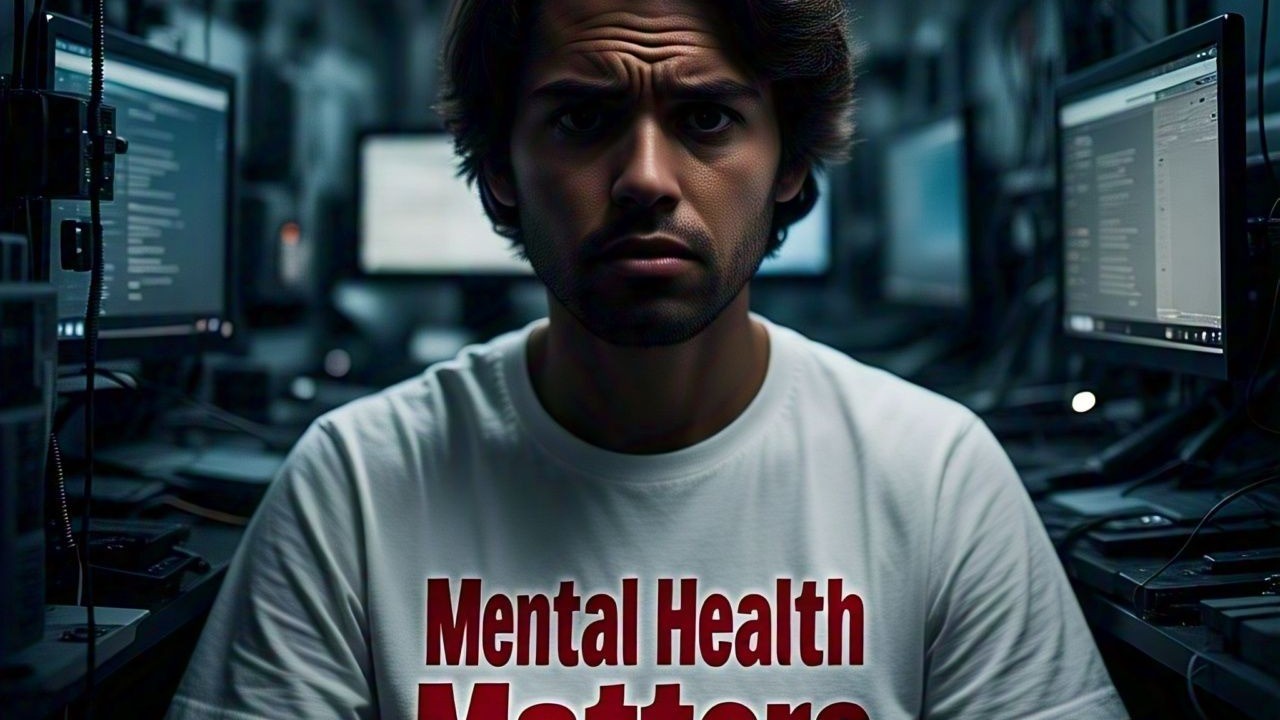
Why Burnout Is So Common in the Technology Industry

The technology sector moves quickly. New programming languages, cybersecurity threats, artificial intelligence tools, and software updates require professionals to continually expand their knowledge while managing demanding workloads. Many employees also work remotely or follow flexible schedules, making it difficult to separate work from personal life.

Over time, this constant state of engagement can leave individuals feeling physically and emotionally exhausted. Burnout does not happen overnight. It develops gradually as stress accumulates without adequate rest, support, or healthy coping strategies.

Workplace Factors That Increase Burnout

Several aspects of technology careers can increase the likelihood of burnout:

  • Tight project deadlines and frequent schedule changes
  • Long hours spent in front of computers
  • Continuous communication through email and messaging platforms
  • Pressure to solve problems quickly and accurately
  • High expectations for productivity and innovation
  • Limited opportunities to fully disconnect from work

When these conditions persist, they can negatively affect both mental and physical health.

The Connection Between Burnout and Addiction

Burnout and addiction often develop together. As stress becomes more difficult to manage, some professionals begin searching for ways to relieve emotional pressure. While occasional stress relief is normal, relying on unhealthy coping mechanisms can create long-term problems.

Some individuals turn to alcohol or prescription medications to unwind after work. Others become dependent on excessive work, gaming, social media, or constant technology use. These behaviors may provide temporary comfort, but they often increase anxiety, disrupt sleep, and contribute to emotional exhaustion.

Early Warning Signs to Watch For

Recognizing burnout and addiction early allows individuals to seek support before symptoms become more severe.

Common warning signs include:

  • Feeling mentally exhausted even after time off
  • Difficulty concentrating or making decisions
  • Constantly checking work messages outside business hours
  • Increased irritability or mood swings
  • Losing interest in hobbies and relationships
  • Difficulty sleeping or relaxing
  • Using substances or compulsive behaviors to cope with stress

Ignoring these symptoms can make recovery more challenging, which is why early intervention is so important.

Mental Health Plays a Critical Role in Recovery

Technology professionals often experience anxiety, depression, perfectionism, and chronic stress alongside burnout. These mental health challenges can increase the risk of addiction, while addiction itself often worsens emotional well-being.

Treating both conditions together provides the strongest foundation for lasting recovery. Comprehensive care helps individuals understand the emotional factors driving unhealthy behaviors while teaching practical skills for managing stress in healthier ways.

Individualized Treatment for Lasting Results

No two people experience addiction in exactly the same way. Individualized treatment plans take into account each person’s career demands, mental health history, family circumstances, and personal recovery goals.

Treatment may include:

  • Individual counseling
  • Cognitive behavioral therapy
  • Group therapy
  • Mental health treatment
  • Relapse prevention planning
  • Family support services

Personalized care helps individuals develop strategies they can continue using long after formal treatment ends.

Choosing the Right Level of Care

Recovery programs offer different treatment options based on each individual’s needs and circumstances.

Inpatient Treatment

Inpatient care provides a structured environment where individuals can step away from workplace pressures and focus completely on healing. With professional support available throughout the day, clients can address addiction and mental health concerns while establishing healthier routines.

Outpatient Treatment

Outpatient programs allow individuals to receive ongoing therapy and recovery support while continuing to meet work or family responsibilities. This flexible approach is often ideal for professionals who have stable living environments and strong support systems.

The Benefits of Holistic and Faith-Based Recovery

Healing extends beyond managing symptoms. Long-term recovery involves restoring balance to the mind, body, and spirit.

Holistic Therapies

Holistic care complements evidence-based treatment by helping individuals strengthen overall wellness. Common approaches include:

  • Mindfulness meditation
  • Physical exercise
  • Nutritional guidance
  • Stress management techniques
  • Healthy sleep practices
  • Recreational and wellness activities

These therapies help reduce stress while promoting emotional resilience.

Faith-Based Support

For individuals who value spiritual growth, faith-based recovery offers additional encouragement throughout the healing process. Combining spiritual guidance with professional treatment can strengthen hope, provide purpose, and support lasting transformation.

Practical Strategies to Prevent Burnout

Preventing burnout begins with creating healthier habits before stress becomes overwhelming.

Technology professionals can benefit from:

  • Setting clear boundaries between work and personal life
  • Scheduling regular breaks throughout the workday
  • Disconnecting from work communications during personal time
  • Prioritizing physical activity and quality sleep
  • Spending time with family and supportive friends
  • Seeking counseling when stress begins affecting daily life

These small but consistent habits can make a meaningful difference in long-term health and productivity.

Recovery Opens the Door to a Healthier Future

Career success should never come at the expense of your health. Burnout and addiction can affect even the most talented and dedicated technology professionals, but they are treatable with compassionate, individualized care. Recovery is not about stepping away from your ambitions. It is about developing the tools needed to thrive both professionally and personally.

If you or someone you care about is struggling with burnout, substance use, or technology-related compulsive behaviors, reaching out for professional help is an important first step. Comprehensive addiction recovery services that include mental health treatment, inpatient and outpatient care, holistic therapies, and faith-based support can provide the guidance needed to achieve lasting healing. Beyond every deadline is the opportunity to reclaim your well-being, strengthen your relationships, and build a healthier future with confidence.

The Hidden Mental Health Challenges Facing Engineers in a Digital World

Engineers are responsible for designing the systems, technologies, and infrastructure that shape modern life. From software development and cybersecurity to civil engineering and advanced manufacturing, these professionals solve complex problems that require intense focus and precision. While the results of their work are often celebrated, the personal challenges they face frequently remain hidden. Long hours, constant digital connectivity, demanding deadlines, and high expectations can place enormous strain on mental health. Without healthy coping strategies and proper support, these pressures can contribute to anxiety, depression, burnout, and addiction. Recognizing these hidden challenges is the first step toward protecting well-being and creating a healthier future.

Why Engineers Face Unique Mental Health Challenges

Engineering is a rewarding profession, but it is also one of the most mentally demanding. Many engineers work in environments where even small mistakes can have significant consequences. This responsibility often creates ongoing stress that extends well beyond the workplace.

At the same time, advances in technology have made it possible to remain connected almost constantly. Emails, project management platforms, instant messaging, and remote access systems allow work to continue long after the office closes. While these tools improve collaboration, they also make it difficult to establish healthy boundaries.

Workplace Factors That Increase Stress

Several characteristics of engineering careers contribute to mental health challenges:

  • High expectations for accuracy and performance
  • Tight deadlines and rapidly changing priorities
  • Long hours spent working on technical projects
  • Constant interaction with digital devices
  • Pressure to solve complex problems quickly
  • Limited opportunities to fully disconnect from work

When these stressors continue without adequate recovery, emotional exhaustion can become part of everyday life.

The Connection Between Mental Health and Addiction

Mental health challenges do not always exist on their own. Anxiety, depression, chronic stress, and burnout often increase the risk of substance use disorders and behavioral addictions.

Some engineers may begin using alcohol or prescription medications to relax after demanding workdays. Others may develop unhealthy relationships with technology, gaming, or work itself. These behaviors can temporarily reduce stress but often create additional emotional and physical challenges over time.

Recognizing Early Warning Signs

Many people overlook the early symptoms of mental health concerns because they believe stress is simply part of the job. However, recognizing these signs early can make treatment more effective.

Warning signs may include:

  • Feeling emotionally exhausted most days
  • Difficulty sleeping despite feeling tired
  • Constant worry about work responsibilities
  • Increased irritability or mood changes
  • Withdrawal from family, friends, or hobbies
  • Relying on substances or compulsive behaviors to cope with stress
  • Feeling unable to disconnect from work

Seeking help early can prevent these symptoms from becoming more severe.

Burnout Is More Than Workplace Fatigue

Burnout is often misunderstood as temporary exhaustion. In reality, it is a serious condition that develops after prolonged exposure to stress without adequate recovery.

Engineers experiencing burnout may lose motivation, struggle to concentrate, or feel emotionally detached from both work and personal life. Physical symptoms such as headaches, muscle tension, digestive issues, and chronic fatigue are also common.

Left untreated, burnout can contribute to addiction, depression, and other mental health conditions.

Comprehensive Treatment Supports Lasting Recovery

Healing from addiction and mental health challenges requires more than simply reducing workload. Comprehensive treatment focuses on the whole person while addressing both emotional well-being and addictive behaviors.

Individualized Mental Health Care

Every person’s experience is different. Individualized treatment plans help identify the specific emotional, psychological, and behavioral factors contributing to stress and addiction.

Evidence-based therapies teach practical coping skills, improve emotional resilience, and support healthier decision making.

Inpatient and Outpatient Treatment Options

Recovery programs offer different levels of care depending on each individual’s needs.

Inpatient Treatment

Inpatient programs provide a structured, supportive environment where individuals can step away from workplace pressures and focus completely on healing. Comprehensive care and daily therapeutic support help establish a strong recovery foundation.

Outpatient Treatment

Outpatient programs allow individuals to continue managing work and family responsibilities while receiving counseling, therapy, and ongoing recovery support. This flexibility helps many professionals maintain progress without interrupting their daily lives.

Holistic and Faith-Based Healing

Long-term wellness requires attention to the mind, body, and spirit. Holistic approaches complement traditional therapy by helping individuals manage stress in healthy and sustainable ways.

Holistic Recovery Practices

Many treatment programs incorporate:

  • Mindfulness and meditation
  • Physical activity
  • Nutrition counseling
  • Stress management techniques
  • Healthy sleep routines

These practices strengthen emotional balance while supporting overall health.

Faith-Based Support

For individuals who value spiritual growth, faith-based care provides hope, encouragement, and a deeper sense of purpose throughout recovery. Combined with clinical treatment, spiritual support can help individuals build resilience and lasting motivation.

Building a Healthier Future in Engineering

Engineers do not need to sacrifice their mental health to build successful careers. Healthy boundaries, regular self-care, and professional support make it possible to thrive both personally and professionally.

Simple habits such as taking breaks, limiting after-hours work, maintaining meaningful relationships, and seeking help when stress becomes overwhelming can significantly reduce the risk of burnout and addiction.

Take the First Step Toward Healing

The mental health challenges facing engineers are real, but they do not have to define your future. Recovery is possible with compassionate, individualized care that addresses addiction, emotional wellness, and the unique pressures of life in a digital world.

Whether you are struggling with burnout, anxiety, depression, substance use, or technology-related behaviors, professional support can help you regain balance and move forward with confidence. Through addiction recovery services, mental health treatment, inpatient and outpatient care, and holistic, faith-based approaches, lasting healing is within reach. Taking the first step today can lead to a healthier, more fulfilling tomorrow.