
Why High-Pressure Tech Jobs Can Fuel Addiction and What Recovery Looks Like

The technology industry thrives on innovation, speed, and constant change. Software engineers, cybersecurity specialists, IT professionals, developers, and technology leaders often work in environments where solving critical problems under tight deadlines is part of everyday life. While these careers can be intellectually rewarding and financially fulfilling, the relentless pace can also create significant challenges for mental health. Chronic stress, long working hours, and the expectation of being constantly available can gradually contribute to burnout, substance use, and behavioral addictions. Understanding how high-pressure tech jobs increase the risk of addiction is an important step toward prevention, healing, and lasting recovery.

Why Technology Professionals Face Greater Pressure

Technology careers demand more than technical expertise. Professionals are expected to adapt to rapidly changing tools, troubleshoot complex systems, and meet aggressive project timelines while maintaining exceptional performance. Many organizations also operate across multiple time zones, requiring employees to remain connected outside traditional work hours.

Although these expectations often drive innovation, they can also create an unhealthy work culture where stress becomes normalized and personal well-being is overlooked.

Common Sources of Stress in Tech Careers

Technology professionals frequently experience challenges such as:

  • Long workdays with minimal downtime
  • Constant notifications and after-hours communication
  • High expectations for productivity and accuracy
  • Frequent software releases and project deadlines
  • Rapid technological changes that require continuous learning
  • Limited separation between work and personal life

Over time, these ongoing pressures can leave individuals emotionally exhausted and vulnerable to unhealthy coping behaviors.

How Chronic Stress Can Lead to Addiction

Stress alone does not cause addiction, but prolonged exposure to stress can increase the likelihood of developing unhealthy habits. When individuals feel overwhelmed, they often search for ways to escape emotional discomfort or maintain high performance.

Some professionals begin relying on alcohol, prescription medications, or stimulants to manage demanding workloads. Others develop behavioral addictions involving work, gaming, social media, or excessive technology use. While these behaviors may provide temporary relief, they often create additional emotional, physical, and psychological challenges.

Recognizing the Warning Signs

Addiction rarely develops overnight. Early warning signs often appear gradually and may include:

  • Feeling unable to disconnect from work
  • Checking emails or messages throughout the day and night
  • Persistent anxiety when not working
  • Difficulty sleeping because of racing thoughts
  • Emotional exhaustion despite continued productivity
  • Increased use of alcohol or other substances to relax
  • Withdrawal from family, friends, or enjoyable activities

Recognizing these symptoms early can make treatment more effective and reduce the risk of long-term consequences.

The Strong Connection Between Mental Health and Addiction

Mental health and addiction frequently occur together. Anxiety, depression, chronic stress, and burnout are common among technology professionals, particularly those working in demanding environments.

When emotional challenges remain untreated, unhealthy coping strategies often become more appealing. Unfortunately, substance use and compulsive behaviors typically worsen mental health over time, creating a cycle that becomes increasingly difficult to escape.

Addressing both conditions together is one of the most effective ways to support lasting recovery.

What Recovery Looks Like

Recovery is about much more than stopping substance use or reducing screen time. It is a comprehensive process that helps individuals restore emotional health, improve coping skills, and rebuild a balanced lifestyle.

Individualized Treatment Plans

Every recovery journey is different. Individualized treatment recognizes that each person’s experiences, mental health concerns, career demands, and personal goals are unique.

Treatment plans often include:

  • Individual counseling
  • Group therapy
  • Mental health treatment
  • Relapse prevention planning
  • Family involvement when appropriate
  • Ongoing recovery support

This personalized approach helps individuals build practical skills they can apply both at work and at home.

Inpatient and Outpatient Recovery Options

Choosing the right level of care depends on the severity of addiction and each person’s circumstances.

Inpatient Treatment

Inpatient programs provide a structured, supportive environment where individuals can temporarily step away from workplace pressures and fully focus on healing. Daily therapeutic care helps establish healthy routines while addressing addiction and underlying mental health concerns.

Outpatient Treatment

Outpatient care offers flexibility for individuals who wish to continue working or managing family responsibilities while participating in treatment. Regular therapy sessions, education, and recovery support allow clients to maintain progress while remaining connected to everyday life.

Holistic Healing Supports Long-Term Recovery

Recovery is most successful when it addresses every aspect of a person’s well-being. Holistic treatment complements evidence-based therapies by promoting physical, emotional, and spiritual health.

Holistic Wellness Approaches

Many individuals benefit from therapies and wellness practices such as:

  • Mindfulness meditation
  • Physical exercise
  • Nutrition counseling
  • Stress management techniques
  • Healthy sleep routines
  • Recreational activities that promote balance

These practices help reduce stress while strengthening resilience and overall wellness.

Faith-Based Recovery

For those who value spiritual growth, faith-based care provides additional encouragement throughout the recovery journey. Combining spiritual support with clinical treatment helps many individuals rediscover hope, purpose, and confidence as they work toward lasting healing.

Preventing Burnout Before It Leads to Addiction

Prevention begins with creating healthy habits that protect mental health even during demanding periods.

Technology professionals can benefit from:

  • Establishing clear work-life boundaries
  • Scheduling regular breaks throughout the day
  • Disconnecting from work communications during personal time
  • Prioritizing sleep and physical activity
  • Maintaining strong relationships with family and friends
  • Seeking professional support when stress becomes difficult to manage

These proactive steps help reduce the likelihood of burnout while improving long-term health and job satisfaction.

Recovery Is Possible With the Right Support

A successful technology career should not come at the expense of your mental health. High-pressure work environments can increase the risk of addiction, but they do not determine your future. With compassionate, individualized care, it is possible to regain balance, improve emotional well-being, and build healthier habits that support both professional success and personal fulfillment.

If you or someone you love is struggling with burnout, substance use, or compulsive behaviors related to work or technology, professional help is available. Comprehensive addiction recovery services that include mental health treatment, inpatient and outpatient care, holistic therapies, and faith-based support can provide the guidance and encouragement needed for lasting recovery. Taking the first step today can lead to renewed hope, stronger relationships, and a healthier future.

Beyond the Deadline: Preventing Burnout and Addiction in Technology Professionals

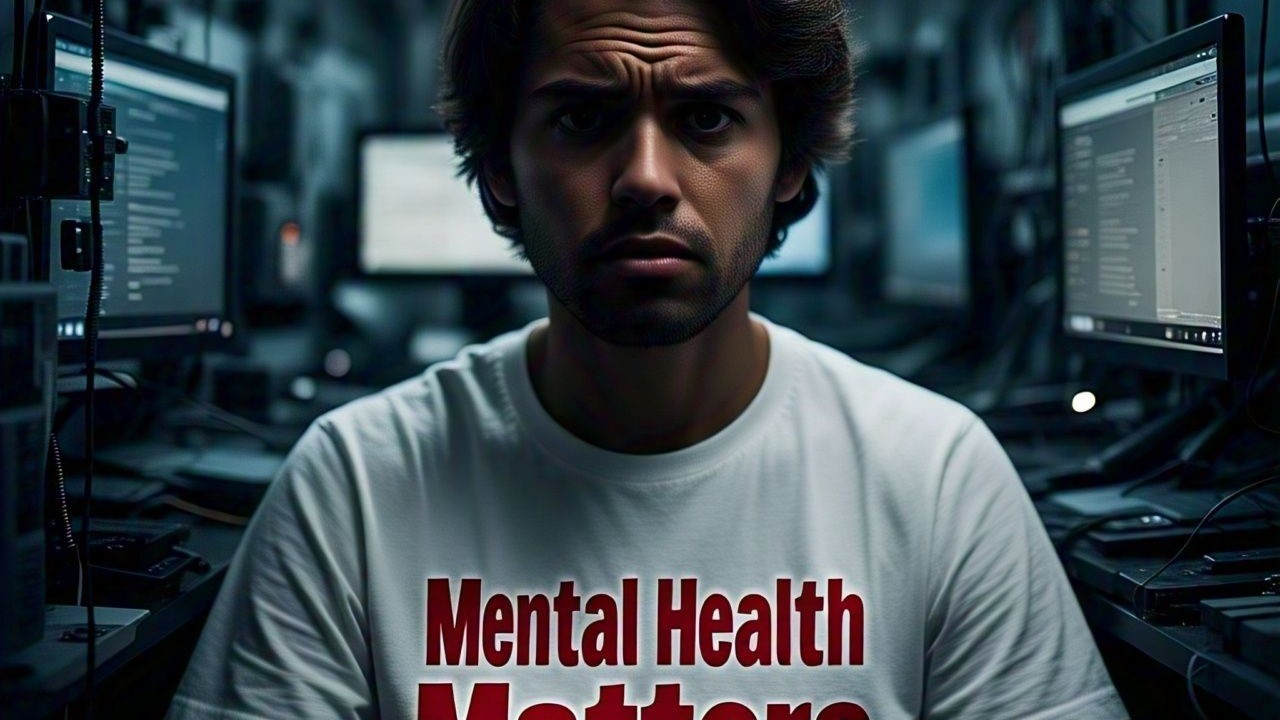
Technology professionals are often celebrated for their ability to solve complex problems, build innovative solutions, and keep businesses running in an increasingly digital world. Behind every successful application, secure network, or groundbreaking software release are individuals who dedicate countless hours to meeting deadlines and exceeding expectations. However, the constant pressure to perform can come at a significant cost. Long workdays, endless notifications, and the expectation of being available at all times can contribute to burnout, mental health challenges, and addiction. Understanding these risks and learning how to prevent them can help technology professionals build successful careers while protecting their overall well-being.

Why Burnout Is So Common in the Technology Industry

The technology sector moves quickly. New programming languages, cybersecurity threats, artificial intelligence tools, and software updates require professionals to continually expand their knowledge while managing demanding workloads. Many employees also work remotely or follow flexible schedules, making it difficult to separate work from personal life.

Over time, this constant state of engagement can leave individuals feeling physically and emotionally exhausted. Burnout does not happen overnight. It develops gradually as stress accumulates without adequate rest, support, or healthy coping strategies.

Workplace Factors That Increase Burnout

Several aspects of technology careers can increase the likelihood of burnout:

  • Tight project deadlines and frequent schedule changes
  • Long hours spent in front of computers
  • Continuous communication through email and messaging platforms
  • Pressure to solve problems quickly and accurately
  • High expectations for productivity and innovation
  • Limited opportunities to fully disconnect from work

When these conditions persist, they can negatively affect both mental and physical health.

The Connection Between Burnout and Addiction

Burnout and addiction often develop together. As stress becomes more difficult to manage, some professionals begin searching for ways to relieve emotional pressure. While occasional stress relief is normal, relying on unhealthy coping mechanisms can create long-term problems.

Some individuals turn to alcohol or prescription medications to unwind after work. Others become dependent on excessive work, gaming, social media, or constant technology use. These behaviors may provide temporary comfort, but they often increase anxiety, disrupt sleep, and contribute to emotional exhaustion.

Early Warning Signs to Watch For

Recognizing burnout and addiction early allows individuals to seek support before symptoms become more severe.

Common warning signs include:

  • Feeling mentally exhausted even after time off
  • Difficulty concentrating or making decisions
  • Constantly checking work messages outside business hours
  • Increased irritability or mood swings
  • Losing interest in hobbies and relationships
  • Difficulty sleeping or relaxing
  • Using substances or compulsive behaviors to cope with stress

Ignoring these symptoms can make recovery more challenging, which is why early intervention is so important.

Mental Health Plays a Critical Role in Recovery

Technology professionals often experience anxiety, depression, perfectionism, and chronic stress alongside burnout. These mental health challenges can increase the risk of addiction, while addiction itself often worsens emotional well-being.

Treating both conditions together provides the strongest foundation for lasting recovery. Comprehensive care helps individuals understand the emotional factors driving unhealthy behaviors while teaching practical skills for managing stress in healthier ways.

Individualized Treatment for Lasting Results

No two people experience addiction in exactly the same way. Individualized treatment plans take into account each person’s career demands, mental health history, family circumstances, and personal recovery goals.

Treatment may include:

  • Individual counseling
  • Cognitive behavioral therapy
  • Group therapy
  • Mental health treatment
  • Relapse prevention planning
  • Family support services

Personalized care helps individuals develop strategies they can continue using long after formal treatment ends.

Choosing the Right Level of Care

Recovery programs offer different treatment options based on each individual’s needs and circumstances.

Inpatient Treatment

Inpatient care provides a structured environment where individuals can step away from workplace pressures and focus completely on healing. With professional support available throughout the day, clients can address addiction and mental health concerns while establishing healthier routines.

Outpatient Treatment

Outpatient programs allow individuals to receive ongoing therapy and recovery support while continuing to meet work or family responsibilities. This flexible approach is often ideal for professionals who have stable living environments and strong support systems.

The Benefits of Holistic and Faith-Based Recovery

Healing extends beyond managing symptoms. Long-term recovery involves restoring balance to the mind, body, and spirit.

Holistic Therapies

Holistic care complements evidence-based treatment by helping individuals strengthen overall wellness. Common approaches include:

  • Mindfulness meditation
  • Physical exercise
  • Nutritional guidance
  • Stress management techniques
  • Healthy sleep practices
  • Recreational and wellness activities

These therapies help reduce stress while promoting emotional resilience.

Faith-Based Support

For individuals who value spiritual growth, faith-based recovery offers additional encouragement throughout the healing process. Combining spiritual guidance with professional treatment can strengthen hope, provide purpose, and support lasting transformation.

Practical Strategies to Prevent Burnout

Preventing burnout begins with creating healthier habits before stress becomes overwhelming.

Technology professionals can benefit from:

  • Setting clear boundaries between work and personal life
  • Scheduling regular breaks throughout the workday
  • Disconnecting from work communications during personal time
  • Prioritizing physical activity and quality sleep
  • Spending time with family and supportive friends
  • Seeking counseling when stress begins affecting daily life

These small but consistent habits can make a meaningful difference in long-term health and productivity.

Recovery Opens the Door to a Healthier Future

Career success should never come at the expense of your health. Burnout and addiction can affect even the most talented and dedicated technology professionals, but they are treatable with compassionate, individualized care. Recovery is not about stepping away from your ambitions. It is about developing the tools needed to thrive both professionally and personally.

If you or someone you care about is struggling with burnout, substance use, or technology-related compulsive behaviors, reaching out for professional help is an important first step. Comprehensive addiction recovery services that include mental health treatment, inpatient and outpatient care, holistic therapies, and faith-based support can provide the guidance needed to achieve lasting healing. Beyond every deadline is the opportunity to reclaim your well-being, strengthen your relationships, and build a healthier future with confidence.

The Hidden Mental Health Challenges Facing Engineers in a Digital World

Engineers are responsible for designing the systems, technologies, and infrastructure that shape modern life. From software development and cybersecurity to civil engineering and advanced manufacturing, these professionals solve complex problems that require intense focus and precision. While the results of their work are often celebrated, the personal challenges they face frequently remain hidden. Long hours, constant digital connectivity, demanding deadlines, and high expectations can place enormous strain on mental health. Without healthy coping strategies and proper support, these pressures can contribute to anxiety, depression, burnout, and addiction. Recognizing these hidden challenges is the first step toward protecting well-being and creating a healthier future.

Why Engineers Face Unique Mental Health Challenges

Engineering is a rewarding profession, but it is also one of the most mentally demanding. Many engineers work in environments where even small mistakes can have significant consequences. This responsibility often creates ongoing stress that extends well beyond the workplace.

At the same time, advances in technology have made it possible to remain connected almost constantly. Emails, project management platforms, instant messaging, and remote access systems allow work to continue long after the office closes. While these tools improve collaboration, they also make it difficult to establish healthy boundaries.

Workplace Factors That Increase Stress

Several characteristics of engineering careers contribute to mental health challenges:

  • High expectations for accuracy and performance
  • Tight deadlines and rapidly changing priorities
  • Long hours spent working on technical projects
  • Constant interaction with digital devices
  • Pressure to solve complex problems quickly
  • Limited opportunities to fully disconnect from work

When these stressors continue without adequate recovery, emotional exhaustion can become part of everyday life.

The Connection Between Mental Health and Addiction

Mental health challenges do not always exist on their own. Anxiety, depression, chronic stress, and burnout often increase the risk of substance use disorders and behavioral addictions.

Some engineers may begin using alcohol or prescription medications to relax after demanding workdays. Others may develop unhealthy relationships with technology, gaming, or work itself. These behaviors can temporarily reduce stress but often create additional emotional and physical challenges over time.

Recognizing Early Warning Signs

Many people overlook the early symptoms of mental health concerns because they believe stress is simply part of the job. However, recognizing these signs early can make treatment more effective.

Warning signs may include:

  • Feeling emotionally exhausted most days
  • Difficulty sleeping despite feeling tired
  • Constant worry about work responsibilities
  • Increased irritability or mood changes
  • Withdrawal from family, friends, or hobbies
  • Relying on substances or compulsive behaviors to cope with stress
  • Feeling unable to disconnect from work

Seeking help early can prevent these symptoms from becoming more severe.

Burnout Is More Than Workplace Fatigue

Burnout is often misunderstood as temporary exhaustion. In reality, it is a serious condition that develops after prolonged exposure to stress without adequate recovery.

Engineers experiencing burnout may lose motivation, struggle to concentrate, or feel emotionally detached from both work and personal life. Physical symptoms such as headaches, muscle tension, digestive issues, and chronic fatigue are also common.

Left untreated, burnout can contribute to addiction, depression, and other mental health conditions.

Comprehensive Treatment Supports Lasting Recovery

Healing from addiction and mental health challenges requires more than simply reducing workload. Comprehensive treatment focuses on the whole person while addressing both emotional well-being and addictive behaviors.

Individualized Mental Health Care

Every person’s experience is different. Individualized treatment plans help identify the specific emotional, psychological, and behavioral factors contributing to stress and addiction.

Evidence-based therapies teach practical coping skills, improve emotional resilience, and support healthier decision making.

Inpatient and Outpatient Treatment Options

Recovery programs offer different levels of care depending on each individual’s needs.

Inpatient Treatment

Inpatient programs provide a structured, supportive environment where individuals can step away from workplace pressures and focus completely on healing. Comprehensive care and daily therapeutic support help establish a strong recovery foundation.

Outpatient Treatment

Outpatient programs allow individuals to continue managing work and family responsibilities while receiving counseling, therapy, and ongoing recovery support. This flexibility helps many professionals maintain progress without interrupting their daily lives.

Holistic and Faith-Based Healing

Long-term wellness requires attention to the mind, body, and spirit. Holistic approaches complement traditional therapy by helping individuals manage stress in healthy and sustainable ways.

Holistic Recovery Practices

Many treatment programs incorporate:

  • Mindfulness and meditation
  • Physical activity
  • Nutrition counseling
  • Stress management techniques
  • Healthy sleep routines

These practices strengthen emotional balance while supporting overall health.

Faith-Based Support

For individuals who value spiritual growth, faith-based care provides hope, encouragement, and a deeper sense of purpose throughout recovery. Combined with clinical treatment, spiritual support can help individuals build resilience and lasting motivation.

Building a Healthier Future in Engineering

Engineers do not need to sacrifice their mental health to build successful careers. Healthy boundaries, regular self-care, and professional support make it possible to thrive both personally and professionally.

Simple habits such as taking breaks, limiting after-hours work, maintaining meaningful relationships, and seeking help when stress becomes overwhelming can significantly reduce the risk of burnout and addiction.

Take the First Step Toward Healing

The mental health challenges facing engineers are real, but they do not have to define your future. Recovery is possible with compassionate, individualized care that addresses addiction, emotional wellness, and the unique pressures of life in a digital world.

Whether you are struggling with burnout, anxiety, depression, substance use, or technology-related behaviors, professional support can help you regain balance and move forward with confidence. Through addiction recovery services, mental health treatment, inpatient and outpatient care, and holistic, faith-based approaches, lasting healing is within reach. Taking the first step today can lead to a healthier, more fulfilling tomorrow.

Always Connected, Rarely Rested: How Tech Careers Can Increase the Risk of Addiction

Technology has transformed nearly every aspect of modern life, and the professionals behind these innovations are often expected to keep pace with constant change. Software developers, engineers, cybersecurity specialists, network administrators, and IT professionals frequently work in environments where deadlines are tight, systems operate around the clock, and digital communication never truly stops. While these careers offer exciting opportunities and meaningful challenges, they also create unique pressures that can increase the risk of addiction. Whether the struggle involves substance use, compulsive work habits, or technology dependence, recognizing the warning signs early can help individuals seek support before their health and relationships begin to suffer.

Why Tech Careers Create a Higher Risk for Addiction

Working in technology often requires continuous concentration, rapid problem solving, and the ability to adapt to evolving demands. Many professionals spend long hours in front of screens while balancing multiple projects and responding to urgent requests. Over time, this constant state of engagement can become physically and emotionally exhausting.

Unlike many other professions, technology careers often lack clear boundaries between work and personal life. Remote access, mobile devices, and cloud-based systems allow employees to remain connected well beyond traditional office hours. While this flexibility can be beneficial, it can also encourage unhealthy patterns that are difficult to recognize.

Common Workplace Factors That Increase Risk

Several characteristics of the technology industry can contribute to addiction and mental health challenges:

  • High performance expectations and demanding workloads
  • Long hours with limited opportunities for rest
  • Constant digital connectivity through phones, laptops, and messaging platforms
  • Pressure to solve problems quickly and accurately
  • Remote work environments that blur personal and professional boundaries
  • Workplace cultures that may reward overworking rather than balance

These factors do not cause addiction on their own, but they can create conditions where unhealthy coping strategies become more likely.

Understanding the Link Between Stress and Addiction

Stress is a natural part of every profession. However, when stress becomes chronic, it can significantly affect both mental and physical health. Many technology professionals experience ongoing pressure to meet deadlines, learn new systems, and remain available outside regular working hours.

Without healthy coping skills, some individuals begin relying on alcohol, prescription medications, or other substances to relax after work. Others develop behavioral addictions involving excessive work, gaming, social media, or constant technology use. These behaviors may provide temporary relief, but they often increase emotional distress over time.

Recognizing Early Warning Signs

Identifying addiction in its early stages allows individuals to seek support before the problem becomes more severe. Warning signs may include:

  • Feeling unable to disconnect from work or digital devices
  • Anxiety or irritability when not checking messages or completing tasks
  • Frequently sacrificing sleep to continue working
  • Losing interest in hobbies, family activities, or social relationships
  • Relying on substances or compulsive behaviors to manage stress
  • Feeling emotionally exhausted despite continued productivity

When these symptoms persist, they should not be dismissed as simply being part of a demanding career.

The Importance of Addressing Mental Health

Mental health and addiction are closely connected. Anxiety, depression, chronic stress, and burnout often occur alongside substance use disorders and behavioral addictions. In many cases, one condition worsens the other, making recovery more challenging without comprehensive treatment.

Seeking help early allows individuals to address the underlying emotional challenges that contribute to addiction rather than focusing only on the visible symptoms.

Individualized Treatment Makes a Difference

No two recovery journeys are exactly alike. Individualized treatment plans recognize that every person’s experiences, responsibilities, and goals are unique.

Comprehensive treatment often includes:

  • Individual counseling
  • Group therapy
  • Mental health treatment for co-occurring conditions
  • Relapse prevention education
  • Family support when appropriate

Personalized care helps individuals build practical strategies for maintaining recovery while navigating the demands of professional life.

Inpatient and Outpatient Treatment Options

Different levels of care provide support based on each person’s specific needs.

Inpatient Treatment

Inpatient programs provide a structured, supportive environment where individuals can step away from workplace pressures and focus entirely on healing. Around-the-clock care allows clients to build healthy routines while receiving comprehensive therapeutic support.

Outpatient Treatment

Outpatient programs offer flexibility for individuals who need ongoing treatment while continuing to meet family or professional responsibilities. Regular therapy sessions and structured support help reinforce healthy coping skills throughout recovery.

Healing Through Holistic and Faith-Based Care

Lasting recovery involves more than stopping addictive behaviors. It also requires restoring emotional, physical, and spiritual well-being.

Holistic Recovery Approaches

Holistic therapies may include:

  • Mindfulness and meditation
  • Physical fitness and movement
  • Nutrition education
  • Stress reduction techniques
  • Healthy sleep practices

These approaches help individuals strengthen resilience while improving overall wellness.

Faith-Based Support

For those who value spiritual growth, faith-based treatment can provide hope, encouragement, and a deeper sense of purpose throughout recovery. Integrating spiritual care with evidence-based therapies creates a well-rounded approach that supports lasting healing.

Practical Ways to Protect Your Well-Being

Technology professionals can reduce their risk of addiction by making intentional changes that support healthier work habits.

Helpful strategies include:

  • Establishing clear boundaries between work and personal time
  • Scheduling regular breaks throughout the day
  • Disconnecting from work communications during personal hours
  • Prioritizing exercise, healthy meals, and quality sleep
  • Staying connected with family and supportive friends
  • Seeking professional support before stress becomes overwhelming

Small changes practiced consistently can have a meaningful impact on long-term mental health.

Recovery Begins With One Decision

Being constantly connected should never come at the cost of your health. Technology careers can be rewarding and fulfilling, but they should also allow room for balance, rest, and personal well-being. If work-related stress, technology dependence, or substance use has begun affecting your life, know that effective help is available.

Compassionate addiction recovery services that combine mental health treatment, inpatient and outpatient care, holistic therapies, and faith-based support can help you regain control and rediscover a healthier way of living. Recovery is not about giving up your career. It is about building the strength, resilience, and balance needed to thrive both professionally and personally. Reaching out for support today can be the first step toward lasting wellness and a brighter future.

Digital Pressure and Burnout: Why Engineers Are More Vulnerable to Addiction

Engineering is one of the most demanding professions in today’s digital world. Engineers are expected to solve complex problems, meet strict deadlines, adapt to rapidly evolving technologies, and remain connected throughout the workday and often long after it ends. While these responsibilities contribute to innovation and progress, they can also create an environment where chronic stress, burnout, and addiction quietly develop. Many professionals enter the field with passion and determination, but without healthy boundaries and proper support, the pressure of constant performance can take a serious toll on mental health. Understanding why engineers are more vulnerable to addiction is an important step toward prevention, recovery, and long-term wellness.

Why Engineering Careers Create Unique Challenges

Engineering professionals often work in fast-paced environments where precision and efficiency are essential. Whether developing software, designing infrastructure, managing cybersecurity systems, or overseeing manufacturing processes, the expectation to perform consistently at a high level can become overwhelming.

Unlike many professions, engineering work rarely stops at the office. Smartphones, laptops, cloud platforms, and remote access tools allow projects to follow employees home, making it difficult to disconnect and fully recharge.

The Impact of Constant Digital Pressure

Technology has made communication and collaboration easier, but it has also increased expectations for immediate responses and continuous availability. Many engineers feel obligated to answer emails after hours, monitor project updates, or solve unexpected technical issues during evenings and weekends.

Over time, this constant digital engagement can lead to:

  • Chronic stress and emotional exhaustion
  • Sleep disruption caused by late-night work
  • Difficulty separating professional and personal life
  • Reduced time for family, hobbies, and self-care
  • Increased feelings of anxiety and isolation

When these patterns continue for extended periods, burnout and addiction become much more likely.

Understanding the Connection Between Burnout and Addiction

Burnout is more than feeling tired after a busy week. It is a state of physical, emotional, and mental exhaustion that develops after prolonged exposure to stress.

As burnout worsens, some individuals begin searching for ways to cope. For some engineers, this may involve alcohol or prescription medications. Others may become increasingly dependent on work itself, excessive gaming, social media, or constant digital stimulation.

Warning Signs That Should Not Be Ignored

Recognizing early symptoms can prevent more serious challenges later. Common signs include:

  • Feeling unable to disconnect from work
  • Constantly checking emails or project updates
  • Irritability or frustration during personal time
  • Loss of motivation outside of work responsibilities
  • Difficulty sleeping or feeling rested
  • Increased reliance on alcohol, drugs, or compulsive behaviors to manage stress
  • Emotional withdrawal from family and friends

These symptoms often develop gradually, making early awareness especially important.

How Mental Health and Addiction Influence One Another

Mental health conditions and addiction frequently occur together. High-pressure careers can contribute to anxiety, depression, and chronic stress, while addictive behaviors often worsen these emotional challenges.

Without treatment, individuals may become trapped in a cycle where stress leads to unhealthy coping behaviors, and those behaviors create additional emotional distress.

Addressing both addiction and mental health together gives individuals the strongest opportunity for lasting recovery.

Comprehensive Treatment Creates Lasting Change

Successful recovery focuses on the whole person rather than a single symptom. Personalized care helps individuals understand the underlying causes of addiction while developing healthier coping strategies.

Individualized Treatment Plans

Every engineer has a unique experience. Individualized treatment considers personal history, mental health needs, work responsibilities, and recovery goals to create a plan that supports long-term healing.

Inpatient and Outpatient Care

Different treatment options provide flexibility based on the severity of addiction and personal circumstances.

Inpatient Programs

Inpatient treatment offers a structured environment where individuals can temporarily step away from workplace demands and focus entirely on recovery. This setting provides intensive therapeutic support and a safe space for healing.

Outpatient Programs

Outpatient care allows professionals to continue meeting personal or career responsibilities while receiving counseling, behavioral therapy, and ongoing support. This option is especially valuable for those with stable home environments and moderate treatment needs.

Healing Through Holistic and Faith-Based Care

Long-term recovery involves caring for the mind, body, and spirit. Holistic treatment complements traditional therapy by helping individuals restore balance in every area of life.

Holistic Recovery Practices

Many people benefit from activities that reduce stress and strengthen emotional resilience, including:

  • Mindfulness and meditation
  • Regular physical exercise
  • Healthy nutrition
  • Relaxation techniques
  • Improved sleep habits

These practices support emotional regulation while helping individuals manage the demands of their careers more effectively.

Faith-Based Support

Faith-based recovery programs can provide hope, encouragement, and spiritual guidance for individuals who wish to include their beliefs in the healing process. Combined with evidence-based treatment, this approach often strengthens motivation and long-term recovery.

Building a Sustainable Engineering Career

Success in engineering does not require sacrificing personal well-being. Creating healthy work habits helps professionals remain productive while reducing the risk of addiction and burnout.

Practical strategies include:

  • Establishing consistent work-life boundaries
  • Scheduling regular breaks throughout the day
  • Disconnecting from devices during personal time
  • Making time for relationships and recreational activities
  • Seeking professional support when stress becomes difficult to manage

Small lifestyle changes often have a lasting impact on emotional health and overall quality of life.

Take the First Step Toward Recovery

Digital pressure and burnout do not have to define your career or your future. Engineers can continue pursuing excellence while also protecting their mental health and building healthier habits. Recognizing the signs of addiction early and seeking compassionate support can make all the difference.

Professional treatment that combines addiction recovery services, mental health care, inpatient and outpatient programs, and holistic, faith-based approaches offers a path toward lasting healing. If you or someone you care about is struggling with burnout, substance use, or compulsive work behaviors, reaching out for help today can be the beginning of a healthier, more balanced tomorrow.