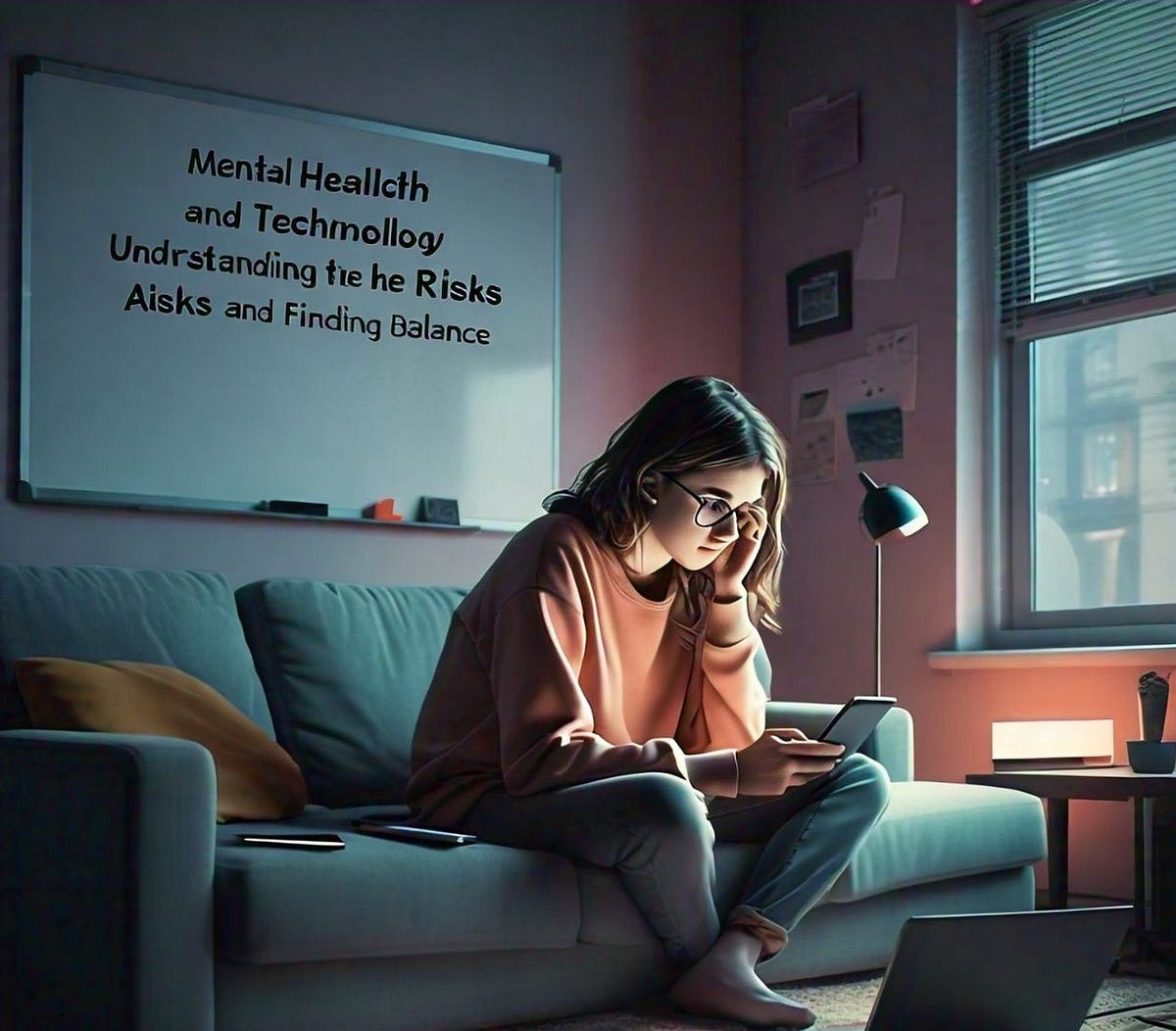
 In today’s engineering and technology-driven world, constant connectivity is often seen as a requirement rather than a choice. Engineers, developers, and IT professionals rely on digital systems to design, build, and maintain the infrastructure that keeps modern life running. However, when screen time and digital engagement become excessive, they can quietly shift into technology dependence. Over time, this can affect mental health, emotional balance, relationships, and overall quality of life. Engineering wellness is about recognizing these risks early and building practical, sustainable mental health strategies to restore balance and prevent addiction.
Understanding Technology Dependence in Engineering
Technology dependence is a behavioral pattern where individuals feel compelled to stay engaged with digital devices, systems, or work platforms, even outside of professional necessity. In engineering roles, this often appears as constant monitoring of systems, repeated checking of code, or difficulty disconnecting from work environments.
Why Engineers Are at Higher Risk
Several workplace and cultural factors increase vulnerability:
- High-pressure environments with strict deadlines and performance expectations
- Constant access to work systems through laptops, mobile devices, and cloud platforms
- A culture that often rewards overwork and availability outside normal hours
- Strong problem-solving tendencies that make disengagement feel uncomfortable
These conditions can gradually normalize overuse, making it harder to recognize when behavior becomes unhealthy.
Signs of Technology Dependence
Early identification is essential for prevention and recovery. Common signs include:
- Feeling anxious or restless when away from devices or systems
- Difficulty stopping work-related tasks, even during personal time
- Sleep disruption due to late-night screen use
- Decline in physical health, including fatigue, headaches, or eye strain
- Withdrawal from social activities or personal relationships
- A persistent sense of needing to stay productive at all times
When these patterns continue, they may signal deeper mental health concerns that require support.
The Mental Health Impact of Constant Connectivity
Technology dependence can place the brain in a near constant state of stimulation. Over time, this can lead to burnout, anxiety, depression, and emotional exhaustion. Engineers may feel mentally “always on,” which reduces the ability to rest, recover, and regulate emotions.
Additionally, reduced sleep quality and limited offline time can weaken cognitive performance and decision-making. Without intervention, this cycle can affect both professional effectiveness and personal well-being.
Mental Health Strategies for Engineering Wellness
Addressing technology dependence requires intentional mental health strategies that support both recovery and prevention. A balanced approach combines clinical support, lifestyle changes, and self-awareness.
Individualized Mental Health Treatment
Personalized therapy helps engineers explore the emotional and psychological factors behind technology dependence. Many individuals use constant work engagement to cope with stress, anxiety, or perfectionism. Therapeutic support focuses on building healthier coping mechanisms and addressing underlying mental health conditions.
Inpatient and Outpatient Care Options
Structured care provides different levels of support depending on individual needs:
- Inpatient care offers a focused environment away from work and digital triggers, allowing intensive healing
- Outpatient care provides flexibility while still offering consistent therapeutic support and accountability
Both approaches often include counseling, group therapy, and relapse prevention planning tailored to the individual.
Holistic and Faith-Based Approaches
Holistic care supports the whole person, not just the symptoms of dependency. Practices such as mindfulness, meditation, physical activity, and nutrition support help regulate stress and restore emotional balance.
For individuals who value spiritual guidance, faith-based care can offer meaning, hope, and a stronger sense of purpose throughout recovery. This integrated approach strengthens long-term emotional resilience.
Practical Daily Wellness Strategies
Small, consistent habits can make a meaningful difference:
- Establish clear boundaries between work time and personal time
- Schedule intentional breaks away from screens throughout the day
- Prioritize sleep, hydration, and regular physical activity
- Reconnect with hobbies and relationships outside of technology
- Practice mindfulness techniques such as deep breathing or journaling
These habits help retrain the brain to tolerate rest and reduce dependency on constant stimulation.
Building Sustainable Engineering Wellness
Engineering wellness is not about avoiding technology. It is about developing a healthy, intentional relationship with it. Engineers can remain highly productive and innovative while also protecting their mental and emotional health. With the right support, balance becomes achievable, not optional.
Taking the Next Step Toward Recovery
Technology dependence is common in engineering careers, but it is also treatable. Recognizing the signs and seeking professional support is the first step toward meaningful change. Compassionate, individualized addiction recovery and mental health treatment can help restore balance, improve emotional well-being, and rebuild a healthier relationship with work and technology.
If you or someone you care about is struggling with technology dependence, reaching out for help can be the turning point toward lasting engineering wellness and a more balanced life.