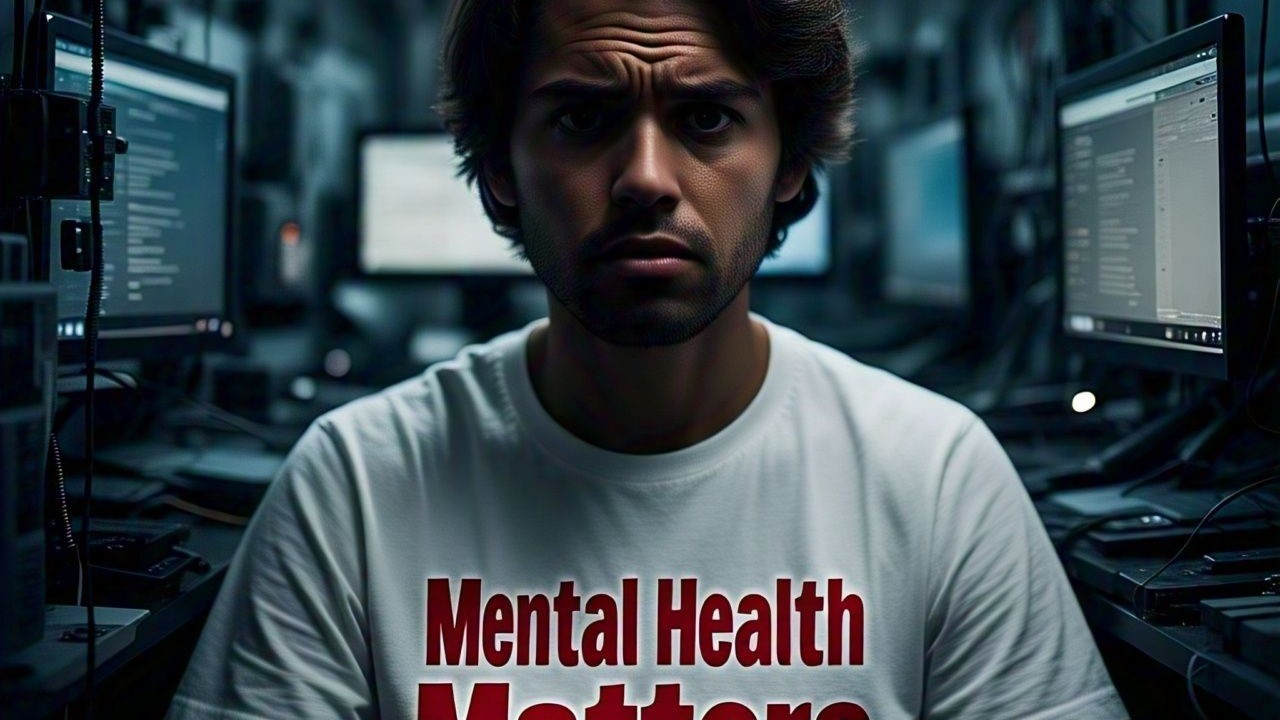
 Engineers are responsible for designing the systems, technologies, and infrastructure that shape modern life. From software development and cybersecurity to civil engineering and advanced manufacturing, these professionals solve complex problems that require intense focus and precision. While the results of their work are often celebrated, the personal challenges they face frequently remain hidden. Long hours, constant digital connectivity, demanding deadlines, and high expectations can place enormous strain on mental health. Without healthy coping strategies and proper support, these pressures can contribute to anxiety, depression, burnout, and addiction. Recognizing these hidden challenges is the first step toward protecting well-being and creating a healthier future.
Why Engineers Face Unique Mental Health Challenges
Engineering is a rewarding profession, but it is also one of the most mentally demanding. Many engineers work in environments where even small mistakes can have significant consequences. This responsibility often creates ongoing stress that extends well beyond the workplace.
At the same time, advances in technology have made it possible to remain connected almost constantly. Emails, project management platforms, instant messaging, and remote access systems allow work to continue long after the office closes. While these tools improve collaboration, they also make it difficult to establish healthy boundaries.
Workplace Factors That Increase Stress
Several characteristics of engineering careers contribute to mental health challenges:
- High expectations for accuracy and performance
- Tight deadlines and rapidly changing priorities
- Long hours spent working on technical projects
- Constant interaction with digital devices
- Pressure to solve complex problems quickly
- Limited opportunities to fully disconnect from work
When these stressors continue without adequate recovery, emotional exhaustion can become part of everyday life.
The Connection Between Mental Health and Addiction
Mental health challenges do not always exist on their own. Anxiety, depression, chronic stress, and burnout often increase the risk of substance use disorders and behavioral addictions.
Some engineers may begin using alcohol or prescription medications to relax after demanding workdays. Others may develop unhealthy relationships with technology, gaming, or work itself. These behaviors can temporarily reduce stress but often create additional emotional and physical challenges over time.
Recognizing Early Warning Signs
Many people overlook the early symptoms of mental health concerns because they believe stress is simply part of the job. However, recognizing these signs early can make treatment more effective.
Warning signs may include:
- Feeling emotionally exhausted most days
- Difficulty sleeping despite feeling tired
- Constant worry about work responsibilities
- Increased irritability or mood changes
- Withdrawal from family, friends, or hobbies
- Relying on substances or compulsive behaviors to cope with stress
- Feeling unable to disconnect from work
Seeking help early can prevent these symptoms from becoming more severe.
Burnout Is More Than Workplace Fatigue
Burnout is often misunderstood as temporary exhaustion. In reality, it is a serious condition that develops after prolonged exposure to stress without adequate recovery.
Engineers experiencing burnout may lose motivation, struggle to concentrate, or feel emotionally detached from both work and personal life. Physical symptoms such as headaches, muscle tension, digestive issues, and chronic fatigue are also common.
Left untreated, burnout can contribute to addiction, depression, and other mental health conditions.
Comprehensive Treatment Supports Lasting Recovery
Healing from addiction and mental health challenges requires more than simply reducing workload. Comprehensive treatment focuses on the whole person while addressing both emotional well-being and addictive behaviors.
Individualized Mental Health Care
Every person’s experience is different. Individualized treatment plans help identify the specific emotional, psychological, and behavioral factors contributing to stress and addiction.
Evidence-based therapies teach practical coping skills, improve emotional resilience, and support healthier decision making.
Inpatient and Outpatient Treatment Options
Recovery programs offer different levels of care depending on each individual’s needs.
Inpatient Treatment
Inpatient programs provide a structured, supportive environment where individuals can step away from workplace pressures and focus completely on healing. Comprehensive care and daily therapeutic support help establish a strong recovery foundation.
Outpatient Treatment
Outpatient programs allow individuals to continue managing work and family responsibilities while receiving counseling, therapy, and ongoing recovery support. This flexibility helps many professionals maintain progress without interrupting their daily lives.
Holistic and Faith-Based Healing
Long-term wellness requires attention to the mind, body, and spirit. Holistic approaches complement traditional therapy by helping individuals manage stress in healthy and sustainable ways.
Holistic Recovery Practices
Many treatment programs incorporate:
- Mindfulness and meditation
- Physical activity
- Nutrition counseling
- Stress management techniques
- Healthy sleep routines
These practices strengthen emotional balance while supporting overall health.
Faith-Based Support
For individuals who value spiritual growth, faith-based care provides hope, encouragement, and a deeper sense of purpose throughout recovery. Combined with clinical treatment, spiritual support can help individuals build resilience and lasting motivation.
Building a Healthier Future in Engineering
Engineers do not need to sacrifice their mental health to build successful careers. Healthy boundaries, regular self-care, and professional support make it possible to thrive both personally and professionally.
Simple habits such as taking breaks, limiting after-hours work, maintaining meaningful relationships, and seeking help when stress becomes overwhelming can significantly reduce the risk of burnout and addiction.
Take the First Step Toward Healing
The mental health challenges facing engineers are real, but they do not have to define your future. Recovery is possible with compassionate, individualized care that addresses addiction, emotional wellness, and the unique pressures of life in a digital world.
Whether you are struggling with burnout, anxiety, depression, substance use, or technology-related behaviors, professional support can help you regain balance and move forward with confidence. Through addiction recovery services, mental health treatment, inpatient and outpatient care, and holistic, faith-based approaches, lasting healing is within reach. Taking the first step today can lead to a healthier, more fulfilling tomorrow.