The Hidden Costs of Productivity: Recognizing Addiction in Engineering Professionals

Engineering professionals are often celebrated for their precision, innovation, and dedication. Long hours, complex projects, and the pressure to perform at the highest level are often considered part of the job. However, this culture of relentless productivity carries hidden risks. Many engineers experience burnout, stress, and, in some cases, substance use as a coping mechanism. These challenges can quietly escalate into addiction, affecting both personal well-being and professional performance.

At NGCA Network, we understand the unique pressures faced by engineering professionals. Our comprehensive addiction recovery and mental health treatment services provide individualized, holistic care designed to help clients break the cycle of dependency, restore balance, and regain control of their lives.


Understanding the Link Between Productivity and Addiction

High-Pressure Work Environments

Engineering roles often demand accuracy, speed, and innovative problem-solving. Tight deadlines and high-stakes projects create chronic stress, which can push individuals to find shortcuts for maintaining energy and focus. For some, this may include reliance on stimulants, excessive caffeine, or alcohol. While these solutions may appear helpful in the short term, they can lead to patterns of dependency over time.

The Perfectionism Trap

Precision and attention to detail are essential in engineering, but they can also foster a culture of perfectionism. Professionals may feel that any error is unacceptable, increasing self-imposed pressure and stress. Over time, the need to meet these high expectations can contribute to mental fatigue, emotional strain, and a higher risk of substance use as a coping strategy.

Isolation and Digital Dependency

Many engineering tasks require long periods of focus, often in isolated or remote work environments. Continuous screen time and lack of social interaction can lead to emotional isolation. Without healthy outlets for stress, professionals may turn to substances or overworking as a way to cope with both pressure and loneliness.


Recognizing Signs of Addiction in Engineering Professionals

Early identification of addictive behaviors is key to prevention and recovery. Common warning signs include:

  • Dependence on stimulants, alcohol, or other substances to maintain productivity

  • Difficulty disconnecting from work, even outside normal hours

  • Mood swings, irritability, or anxiety related to performance

  • Declining motivation or engagement despite long working hours

  • Withdrawal from social and personal relationships

Awareness of these signs allows professionals to take proactive steps toward support before challenges escalate.


How NGCA Network Supports Recovery

Individualized Treatment Plans

Every path to recovery is unique. NGCA Network creates personalized care plans that address both the symptoms and the underlying causes of addiction. Our inpatient and outpatient programs provide flexibility and structure to meet the needs of engineering professionals while ensuring effective treatment.

Holistic and Faith-Based Approaches

Healing is most effective when it addresses the whole person. NGCA Network incorporates holistic methods such as mindfulness practices, wellness therapies, and physical activity. For those seeking spiritual guidance, faith-based support is integrated to foster purpose, hope, and personal growth.

Comprehensive Mental Health Support

Addiction rarely exists in isolation. Anxiety, depression, and chronic stress often accompany substance use. Our mental health professionals provide therapy and counseling to address these underlying factors, teaching coping strategies that support long-term recovery and resilience.


Creating Healthier Work Environments

Preventing addiction in engineering teams is not solely an individual responsibility. Employers and leaders can help by encouraging reasonable workloads, offering mental health resources, and fostering a culture of balance. By promoting awareness and support, organizations reduce the risk of dependency while cultivating stronger, more sustainable teams.


Take the First Step Toward Recovery

Addiction and burnout do not have to define a career or life. NGCA Network offers compassionate, evidence-based care designed to help engineering professionals overcome dependency and regain balance. Recovery is possible, and it begins with reaching out for help.

Contact NGCA Network today to learn more about our addiction recovery and mental health programs. A healthier, more balanced life is within reach.


From Burnout to Recovery: Combating Substance Use in Engineering Careers

Engineering is known for its innovation, precision, and problem solving. Yet behind the impressive projects and high performance lies a reality that many professionals face but rarely acknowledge. Long hours, heavy workloads, and constant deadlines can push even the most skilled engineers toward burnout. When stress becomes overwhelming, some turn to substances or unhealthy coping habits to keep up. At NGCA Network, we understand how demanding engineering careers can be, and we offer compassionate, holistic support for individuals ready to regain balance and rebuild their lives.


Understanding Burnout in Engineering

The Pressure to Perform

Engineering roles often come with expectations that are difficult to sustain without proper support. Projects may require intense focus, fast turnaround times, and high accuracy. Over time, these expectations can lead to physical fatigue, emotional strain, and declining mental health. Burnout develops gradually, and many engineers overlook the early signs because they have grown accustomed to pushing themselves beyond their limits.

When High Stress Becomes a Risk Factor

Burnout does more than cause exhaustion. It increases vulnerability to unhealthy coping behaviors. Some individuals may begin using substances to stay awake during long shifts or to relax after stressful days. Others may rely on stimulants, excessive caffeine, or alcohol to manage the ongoing pressure. Without intervention, these habits can escalate into dependency and significantly impact health and quality of life.


How Substance Use Becomes a Coping Mechanism

Managing Fatigue and Performance Demands

Engineers often work in environments where productivity is measured by output and precision. When workloads increase, so does the temptation to use substances to stay alert, stay awake, or work longer hours. Although these habits may feel helpful in the moment, they create patterns that are harmful and difficult to break without support.

Emotional Stress and Isolation

Engineering can be rewarding, but it can also be lonely. Many professionals work long hours in front of screens or in isolated workspaces. Combined with pressure to meet deadlines, this isolation can intensify anxiety and stress. When emotional needs go unmet, substance use can seem like an immediate escape, even though it ultimately worsens mental health over time.

The Hidden Impact on Daily Life

As dependency grows, individuals may notice declining concentration, mood changes, or withdrawal from relationships and activities they once enjoyed. The quality of work may suffer, which creates more stress and increases the cycle of substance use. Understanding this pattern is the first step toward breaking it.


Pathways to Recovery at NGCA Network

Individualized Treatment That Addresses the Whole Person

At NGCA Network, we believe recovery requires more than treating symptoms. It involves understanding each person’s unique experiences, stressors, and goals. Our individualized care plans help clients uncover the root causes of dependency and build healthier coping strategies for long term stability.

Holistic and Faith Based Options for Healing

Holistic healing plays an important role in recovery. Our programs include wellness therapies, mindfulness practices, counseling, and spiritual support for those who want it. These methods help clients reconnect with their physical health, mental well-being, and sense of purpose.

Inpatient and Outpatient Support

We offer both inpatient and outpatient care so individuals can receive the level of support that matches their needs. Inpatient treatment provides a structured environment for those needing intensive care, while outpatient programs offer flexibility for individuals balancing work, family, and recovery.

Mental Health Treatment for Sustainable Change

Substance use often overlaps with anxiety, depression, or chronic stress. Our mental health professionals work with clients to build resilience, identify emotional triggers, and develop tools that support long term well-being. Addressing mental health is essential for preventing relapse and creating lasting recovery.


Building a Healthier Engineering Culture

Tech and engineering workforces can benefit from encouraging healthier work practices. This includes promoting realistic deadlines, allowing space for rest, and fostering open conversations about mental health. When organizations support their teams, professionals feel valued and are less likely to turn to unhealthy coping methods.


Take the First Step Toward Recovery

If you or someone you care about is struggling with burnout or substance use in the engineering field, support is available. NGCA Network is committed to helping individuals rebuild their health, confidence, and stability through compassionate and personalized care. Recovery is possible, and reaching out is the most important first step.

Contact NGCA Network today to learn more about our treatment programs and begin your journey from burnout to recovery.

Beyond the Deadline: Addressing Mental Health and Dependency in Tech Workforces

The tech industry is known for innovation, rapid growth, and relentless pursuit of progress. Yet behind the success and constant evolution lies a quieter challenge that many professionals face every day. Long hours, tight deadlines, and high stakes can take a serious toll on mental health. For many, the pressure builds until unhealthy habits, dependency, or substance use become the only way to keep pace. At NGCA Network, we understand how demanding tech workforces can be, and we are committed to helping individuals break free from cycles of stress and addiction through compassionate, holistic, and personalized care.


The Weight of Constant Innovation

High Expectations and Hidden Strain

Tech workforces often operate under intense pressure to create, solve problems, and deliver results quickly. Deadlines can be constant, leaving little space for rest. While this fast-moving environment fuels impressive breakthroughs, it also increases the risk of burnout and mental health challenges. Many professionals push themselves beyond their limits, often without realizing they are slowly compromising their well-being.

The Normalization of Overwork

In many tech environments, overworking is not only common but expected. Staying late, skipping breaks, and working through weekends can feel like the norm. Over time, this pattern can lead to exhaustion, anxiety, or depression. Without healthy boundaries, individuals may begin relying on stimulants, excessive caffeine, or substances to stay alert or maintain productivity.

Emotional Isolation in Digital Spaces

Although tech work is collaborative, it can also be isolating. Long hours spent in front of screens or working remotely can reduce meaningful connection with others. When professionals feel isolated, they may struggle to reach out for help, making it easier for dependency and emotional distress to take hold.


Understanding How Dependency Develops in Tech Roles

Stress Driven Coping Behaviors

Many addictions begin as attempts to manage stress or enhance performance. A professional may start using a substance to stay awake or unwind, believing it is harmless. Over time, the brain becomes reliant on that substance to handle the demands of the job. What started as occasional use can turn into dependency, negatively affecting health, relationships, and overall quality of life.

Perfectionism and Fear of Failure

The tech world often values precision and flawless results. This mindset can increase the pressure individuals place on themselves. When fear of failure grows, some professionals may use substances to calm their anxiety or maintain focus. Recognizing the emotional triggers behind dependency is an important part of creating a sustainable recovery plan.


How NGCA Network Supports Tech Professionals

Individualized Treatment Plans

NGCA Network offers personalized addiction recovery and mental health treatment designed to meet each person where they are. Our team creates individualized care plans that address both the symptoms and the underlying causes of dependency. Whether someone needs inpatient support or the flexibility of outpatient care, we provide multiple pathways for healing.

Holistic and Faith Based Healing

True recovery requires healing the whole person. NGCA Network integrates holistic practices such as mindfulness, wellness therapies, counseling, and spiritual support. This approach helps clients rebuild balance in their physical health, emotional well-being, and personal purpose.

Mental Health Treatment for Long Term Stability

Because dependency often overlaps with mental health conditions like anxiety, depression, or chronic stress, we offer comprehensive mental health services. Our clinicians help clients understand their emotional patterns, build resilience, and learn healthier coping strategies. With strong aftercare and support, individuals can maintain progress long after treatment.


Creating a Healthier Future for Tech Workforces

Tech companies can also play a powerful role in prevention. Encouraging employees to take breaks, recognizing signs of burnout, and supporting mental health initiatives can reduce risk and improve workforce well-being. When organizations value balance, individuals feel more supported, respected, and motivated to thrive.


Take the First Step Toward Healing

If you or someone you care about in the tech field is struggling with stress, dependency, or emotional burnout, NGCA Network is here to help. Our compassionate team provides evidence based, holistic care that supports long term recovery. You do not have to face these challenges alone. Reaching out for help can be the turning point toward a healthier and more fulfilling future.

Contact NGCA Network today to learn more about our treatment options and begin a path forward that prioritizes your well-being, purpose, and long term success.

Under Pressure: Understanding Addiction Risks in High-Performing Engineering Teams

In the fast-paced world of engineering, performance is everything. Teams are built around innovation, precision, and efficiency, with expectations to deliver results under immense pressure. From long hours to tight deadlines, many engineers thrive in high-demand environments that reward dedication and drive. But beneath this culture of excellence lies a growing concern: the risk of addiction and burnout.

At NGCA Network, we recognize that high-achieving professionals often face unique challenges when it comes to maintaining mental health and balance. Our comprehensive approach to addiction recovery and mental health treatment provides engineers and other professionals the support they need to recover, rebuild, and thrive.


The Hidden Cost of High Performance

The Culture of Constant Pressure

Engineering professionals often face unrelenting pressure to perform. The drive to innovate, meet deadlines, and maintain flawless accuracy can lead to chronic stress. Over time, this stress can push individuals toward unhealthy coping strategies such as excessive caffeine use, stimulant medications, alcohol, or other substances to sustain focus and energy.

What begins as a way to “get through the project” can gradually evolve into dependency, creating a cycle of exhaustion, anxiety, and addiction that is difficult to break without support.

Perfectionism and Mental Fatigue

High-performing engineering teams are known for their pursuit of perfection. Yet the same mindset that ensures success can also create a dangerous mental load. The expectation to produce flawless results, combined with the fear of failure, can erode self-confidence and emotional stability. When mental fatigue sets in, many professionals struggle to recognize the signs of burnout until they are already overwhelmed.

The Isolation Factor

Engineering work often requires long hours in front of screens or in isolated environments. While collaboration is part of the process, many engineers spend extended periods working independently, which can contribute to loneliness and emotional disconnection. This isolation increases the risk of using substances or overworking as a form of escape.


Recognizing the Signs of Addiction and Burnout

Awareness is the first step toward prevention and recovery. Some common warning signs include:

  • Increased reliance on caffeine, stimulants, or alcohol to stay alert or unwind

  • Difficulty relaxing or disconnecting from work

  • Persistent anxiety or irritability

  • Physical exhaustion, insomnia, or headaches

  • Declining motivation or sense of fulfillment

If these signs feel familiar, it may be time to pause and reassess your well-being.


How NGCA Network Helps Engineering Professionals Recover

Individualized Treatment Programs

Every person’s path to recovery is different. At NGCA Network, we create personalized treatment plans that address the root causes of addiction and stress. Our inpatient and outpatient programs provide flexibility for professionals who need support while balancing career responsibilities.

Holistic and Faith-Based Healing

True recovery involves healing the mind, body, and spirit. Through a holistic approach, we incorporate therapy, mindfulness practices, physical wellness, and faith-based guidance. This whole-person model helps clients build resilience, find purpose, and restore balance in every aspect of life.

Mental Health Support and Aftercare

Addiction and mental health challenges often go hand in hand. Our team offers comprehensive counseling and ongoing support to help individuals develop healthy coping mechanisms and prevent relapse. Recovery is not just about stopping substance use; it is about learning to live well again.


Building Healthier Engineering Teams

Addressing addiction in high-performing environments requires cultural change. Companies can play a role by encouraging open conversations about mental health, setting realistic expectations, and supporting wellness initiatives. When workplaces prioritize balance over burnout, innovation and productivity naturally follow.

Leaders and team members alike benefit from understanding that sustained success comes from resilience, not relentless pressure. By promoting wellness and empathy, engineering organizations can reduce addiction risks and cultivate stronger, healthier teams.


Take the First Step Toward Healing

If you or someone you know in the engineering field is struggling with addiction, stress, or burnout, help is available. At NGCA Network, we provide compassionate, evidence-based care designed to meet your unique needs. Recovery is not about stepping away from your career; it is about rediscovering balance and purpose within it.

Reach out to NGCA Network today to learn more about our addiction recovery and mental health services. A healthier, more fulfilling life is within reach, and it starts with taking the first step toward healing.

Breaking the Cycle: How Engineering Culture Contributes to Workaholism and Addiction

The engineering field is often celebrated for innovation, precision, and problem-solving. Engineers design the systems and technologies that shape modern life, pushing boundaries and creating solutions that transform industries. However, behind these accomplishments lies a hidden challenge. The same high-pressure culture that drives innovation can also contribute to workaholism, stress, and even addiction. Long hours, tight deadlines, and constant expectations often lead professionals to rely on unhealthy coping mechanisms to maintain productivity.

At NGCA Network, we understand the unique pressures of the engineering and tech fields. Our comprehensive addiction recovery services, mental health treatment programs, and holistic, faith-based approaches provide professionals with the support they need to break the cycle of dependency and rebuild balance in their personal and professional lives.


Understanding the Link Between Engineering Culture and Addiction

High-Pressure Work Environments

Engineers often face intense deadlines, complex projects, and high stakes in their work. This environment can create a constant sense of urgency and stress. Over time, the need to “keep up” can lead professionals to rely on stimulants, caffeine, alcohol, or other substances to sustain performance, creating patterns of dependency.

The Perfectionism Trap

Attention to detail and accuracy are essential qualities in engineering. However, when perfectionism becomes an expectation rather than a skill, it can lead to chronic stress, self-criticism, and burnout. Professionals may feel they cannot slow down, even as their mental and physical health begins to decline.

Digital Dependency and Overwork

Working in technology often requires long hours in front of screens and continual connectivity. While essential for productivity, this can contribute to digital dependency and prevent engineers from truly disconnecting from work. Over time, the inability to unplug can intensify stress and exacerbate addictive behaviors.


Signs of Workaholism and Addiction

Recognizing the signs of workaholism and addiction is the first step toward recovery. Common indicators include:

  • Persistent fatigue or emotional exhaustion

  • Increasing reliance on substances to maintain focus or manage stress

  • Difficulty disconnecting from work or setting boundaries

  • Social withdrawal from colleagues, friends, or family

  • Declining job performance or lack of engagement despite long hours

Awareness of these patterns allows engineers to seek help before challenges escalate into more serious health concerns.


How NGCA Network Supports Recovery

Individualized Treatment Plans

Recovery is personal, and NGCA Network tailors every treatment plan to fit the individual’s needs. Our inpatient and outpatient programs provide flexible care options for engineers, accommodating professional demands while delivering effective support.

Comprehensive Mental Health Care

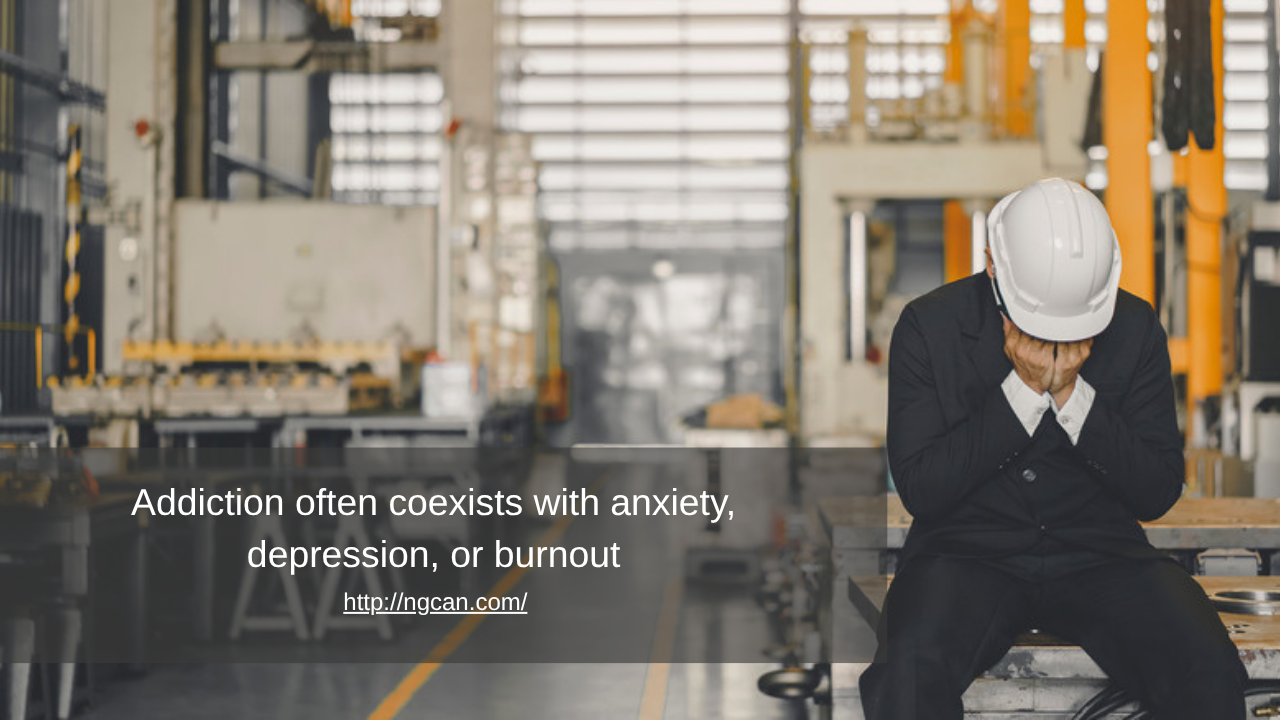
Addiction often coexists with anxiety, depression, or burnout. Our mental health services provide therapy, counseling, and skill-building to address the root causes of dependency and build resilience for long-term well-being.

Holistic and Faith-Based Approaches

We treat the whole person, incorporating holistic practices such as mindfulness, physical wellness, and recreational therapy. Faith-based guidance helps individuals reconnect with their values and purpose, supporting a sense of hope and renewal throughout the recovery journey.


Building a Healthier Professional Life

Breaking the cycle of workaholism and addiction means more than stopping substance use. It involves developing healthy boundaries, learning stress management techniques, and redefining success in a sustainable way. With guidance from NGCA Network, engineers can regain control, restore balance, and thrive both personally and professionally.


Take the First Step Toward Recovery

Addiction and workaholism do not have to define your career or your life. NGCA Network provides compassionate, professional, and individualized care to help engineers overcome dependency and rebuild resilience.

Contact NGCA Network today to begin your journey toward recovery. A healthier, more balanced, and fulfilling life is possible with the right support.

Building Resilience: How the Engineering Field Can Confront Its Addiction Problem

At NGCA Network, we understand that true success comes from balance and well-being, not burnout or dependence. Our addiction recovery programs, mental health treatment services, and holistic, faith-based approaches help individuals rebuild strength and find lasting healing.


The Hidden Struggles of Engineering Professionals

A Culture of High Expectations

The engineering field often rewards perfectionism and long work hours. While dedication is essential, these expectations can push professionals beyond their limits. Over time, the line between ambition and exhaustion begins to blur, leading to unhealthy coping mechanisms like substance use or overreliance on stimulants to maintain productivity.

Mental Health Under Pressure

Engineering work is intellectually demanding and emotionally taxing. Meeting deadlines, solving complex problems, and staying ahead of technological change can create chronic stress and anxiety. Without proper mental health support, many professionals find themselves caught in a cycle of overwork, isolation, and self-medication.

The Cost of Silence

Addiction in engineering is often hidden behind a culture of pride and productivity. Many fear that admitting they are struggling could harm their reputation or career. This silence prevents individuals from seeking help and reinforces a cycle that damages both personal health and workplace performance.


Confronting Addiction Through Awareness and Support

Recognizing the Warning Signs

The first step toward addressing addiction in the engineering field is awareness. Common signs may include frequent fatigue, mood swings, declining performance, or dependence on substances to manage stress or stay alert. Recognizing these early indicators can prevent deeper struggles and encourage timely intervention.

Encouraging a Healthier Work Culture

Engineering firms and tech organizations can play a crucial role by promoting open discussions about mental health, offering employee wellness programs, and reducing the stigma around addiction recovery. Creating space for self-care, balance, and rest helps prevent burnout and promotes sustainable success.

Building Personal Resilience

Resilience is the ability to adapt and recover from challenges. For engineers facing addiction, building resilience means learning healthy ways to manage pressure, setting realistic boundaries, and prioritizing mental well-being. With the right support, individuals can overcome dependency and rediscover their passion for innovation without sacrificing health.


How NGCA Network Helps Engineers Recover and Thrive

At NGCA Network, we take a compassionate, individualized approach to addiction recovery and mental health care. Our services include:

  • Inpatient and outpatient programs that provide structure, accountability, and flexibility.

  • Holistic treatment methods that integrate physical health, emotional healing, and mindfulness.

  • Faith-based care for individuals seeking spiritual guidance and purpose in their recovery journey.

  • Comprehensive mental health support to address anxiety, depression, and the root causes of addiction.

By focusing on the whole person—mind, body, and spirit—we help engineers and professionals restore balance and resilience both in and outside of their careers.


Taking the First Step Toward Healing

Addiction does not define your abilities or your future. Confronting it takes courage, self-awareness, and the right support. At NGCA Network, we are here to help you take that first step toward recovery with compassion, respect, and expert care.

Contact NGCA Network today to learn how our holistic and faith-based addiction recovery programs can help you or someone you love find freedom, balance, and renewed purpose. A healthier, more resilient life starts with reaching out for help.

Innovation at a Cost: Recognizing and Reducing Addiction in Engineering Environments

Engineering is a profession built on innovation, precision, and relentless problem-solving. The drive to design, create, and improve is what moves industries forward. Yet behind this culture of innovation lies a growing and often overlooked challenge: addiction. The pressures of constant performance, long hours, and high expectations can take a toll on mental health, leading many engineers to turn to substances, stimulants, or unhealthy coping mechanisms just to keep up.

At NGCA Network, we understand that the same determination that makes engineers successful can also make it difficult to slow down and seek help. Our compassionate, faith-based, and individualized recovery programs are designed to help professionals overcome addiction while rediscovering balance, clarity, and purpose.


Understanding Addiction in Engineering

The Hidden Pressures of the Profession

Engineering environments are often demanding and fast-paced. Tight deadlines, complex projects, and high-stakes decisions create immense pressure to perform. This constant stress can lead to burnout and unhealthy coping strategies, including substance use or behavioral dependencies like overworking and digital addiction.

Perfectionism and Performance Culture

Many engineers are perfectionists by nature. This mindset can drive excellence, but it also fosters self-criticism and chronic stress. When success is tied to flawless results, individuals may push themselves beyond healthy limits. Over time, they may rely on caffeine, stimulants, or alcohol to manage fatigue or anxiety, unaware that these short-term solutions are building dependency.

The Role of Workplace Culture

Engineering teams often value productivity and endurance over self-care. Conversations about mental health and addiction are still stigmatized, causing many professionals to hide their struggles. This silence perpetuates the problem, making it harder for individuals to seek the help they need before addiction deepens.


Recognizing the Warning Signs

Early recognition can make a life-changing difference. Signs of addiction in engineering professionals can include:

  • Increasing reliance on substances to stay alert or unwind

  • Persistent fatigue or mood swings

  • Declining work performance or engagement

  • Withdrawing from colleagues, friends, or family

  • Difficulty disconnecting from work or taking breaks

Acknowledging these patterns is not a sign of weakness but a critical first step toward recovery and healing.


How NGCA Network Supports Recovery for Engineers

Individualized Treatment Plans

At NGCA Network, we tailor every recovery plan to fit the individual’s needs and professional reality. Whether through inpatient care for intensive healing or outpatient programs that offer flexibility, our goal is to meet clients where they are and guide them toward lasting wellness.

Comprehensive Mental Health Care

Addiction rarely exists in isolation. Many engineers also experience stress, anxiety, or depression. Our integrated mental health treatment addresses these underlying issues, helping clients build emotional resilience and sustainable coping strategies.

Holistic and Faith-Based Healing

We believe recovery is most effective when it supports the whole person. Our holistic approach includes therapy, mindfulness, physical wellness, and, for those who seek it, faith-based care that nurtures spiritual renewal and purpose. This balance helps clients rediscover meaning beyond their work and embrace a healthier, more grounded way of living.


Building Healthier Engineering Environments

Recovery is not only an individual journey but also a cultural shift. Engineering companies can help reduce addiction by encouraging work-life balance, promoting open discussions about mental health, and providing resources for support. When leaders foster a compassionate and balanced work culture, it benefits both employees and innovation itself.


Take the First Step Toward Healing

Innovation should never come at the expense of well-being. If you or someone you know in the engineering field is struggling with addiction or burnout, NGCA Network can help. Through personalized, holistic, and faith-based care, we provide the tools and support needed to heal and rebuild a life rooted in health and hope.

Reach out to NGCA Network today to begin your journey toward recovery. A balanced, fulfilling, and purposeful life is possible with the right guidance and care.

Cracking the Code of Addiction: Mental Health Challenges in the Tech Workforce

The tech workforce is known for its brilliance, creativity, and relentless drive to innovate. Yet behind the code, algorithms, and groundbreaking advancements lies a growing crisis. Engineers, developers, and other tech professionals face unique pressures that put their mental health at risk. From long work hours and perfectionism to digital dependency and substance use, addiction and mental health struggles have quietly become part of the industry’s reality.

At NGCA Network, we understand that true success must include both professional achievement and personal well-being. That is why our addiction recovery services, mental health treatment programs, and holistic approaches are designed to help individuals in the tech workforce restore balance and rebuild healthier lives.


Why Mental Health Struggles Are Rising in Tech

High-Pressure Work Environments

Tech teams often operate under constant deadlines, intense competition, and the pressure to deliver flawless results. While these demands can drive innovation, they also foster stress, anxiety, and burnout. For some, substances or unhealthy coping mechanisms become a way to manage the strain.

Digital Dependency

Working in technology often means spending countless hours connected to devices. Over time, this dependence can spill over into personal life, creating patterns of compulsive screen use, disrupted sleep, and difficulty disconnecting. Digital dependency not only affects mental health but can also deepen the cycle of addiction.

The Silent Struggle

One of the greatest challenges in tech is the stigma surrounding mental health and addiction. Many professionals hide their struggles out of fear that seeking help will impact their careers. This silence can delay treatment, making recovery more difficult without proper support.


NGCA Network’s Compassionate Approach to Recovery

Personalized Treatment Plans

Every individual’s journey with addiction and mental health is unique. At NGCA Network, we create customized treatment plans that meet clients where they are, whether they need inpatient care or outpatient support that allows them to continue professional responsibilities.

Comprehensive Mental Health Services

Our programs go beyond treating substance use. We address co-occurring challenges such as anxiety, depression, and burnout, helping tech professionals develop healthier coping strategies and emotional resilience.

Holistic and Faith-Based Healing

We believe recovery should nurture the mind, body, and spirit. For those seeking spiritual guidance, our faith-based care provides connection and purpose. Holistic practices like mindfulness, physical wellness, and recreational therapy further strengthen the foundation for lasting recovery.


Building a Healthier Tech Culture

While individual treatment is vital, addressing addiction in the tech workforce also means shifting workplace culture. Encouraging realistic workloads, supporting mental health resources, and reducing the stigma around seeking help are essential steps toward creating healthier teams. Employers and colleagues can play a powerful role in supporting those struggling and promoting balance across the industry.


Take the Next Step Toward Healing

Addiction and mental health struggles do not define your worth or your potential. At NGCA Network, we provide compassionate, individualized care for tech professionals who are ready to reclaim balance in their lives. Recovery is not about stepping away from your passion for innovation. It is about finding a healthier way to thrive in both your work and personal life.

Reach out to NGCA Network today to begin your journey toward healing. With the right support, you can move forward with strength, clarity, and renewed purpose.

Engineering Under Pressure: Addressing Workaholism and Substance Abuse in Tech Teams

In the fast-paced world of technology and engineering, high performance is often celebrated as the ultimate measure of success. Teams are expected to innovate quickly, meet tight deadlines, and push boundaries to deliver groundbreaking solutions. However, behind the achievements, many engineers and tech professionals struggle with hidden challenges. Workaholism and substance abuse have become increasingly common in this environment, leaving individuals drained, isolated, and at risk of long-term health consequences.

At NGCA Network, we believe that success should never come at the cost of well-being. Our comprehensive addiction recovery and mental health services are designed to help professionals address these struggles with compassion, faith-based guidance, and individualized care.


The Link Between Workaholism and Addiction

The Culture of Overwork

Engineering and tech careers often create an unspoken expectation of long hours and nonstop productivity. While dedication is valuable, chronic overwork blurs the line between passion and compulsion. This culture fosters workaholism, where individuals prioritize projects over health, family, and rest.

Self-Medication to Keep Up

As pressures mount, many turn to substances such as stimulants, alcohol, or excessive caffeine to sustain performance. What begins as a quick solution to stress or fatigue can slowly evolve into dependency. Over time, these habits not only undermine productivity but also place mental and physical health at serious risk.

Emotional Consequences

Workaholism and substance abuse often go hand in hand with anxiety, depression, and burnout. Engineers may feel trapped in a cycle where they cannot slow down, even as their health declines. This cycle requires compassionate intervention and structured support to break free.


How NGCA Network Helps Tech Teams Heal

Inpatient and Outpatient Care

We provide both inpatient and outpatient treatment options to meet the unique needs of each client. Whether an individual requires intensive care or a program that fits alongside their professional life, NGCA Network offers flexible solutions tailored to recovery goals.

Addressing Co-Occurring Challenges

Many engineers experience both substance use and mental health struggles at the same time. Our programs address these issues together, recognizing that sustainable healing comes from treating the whole person, not just the symptoms.

Holistic and Faith-Based Approaches

At NGCA Network, we go beyond traditional treatment. Our holistic services include mindfulness practices, physical wellness, and spiritual guidance for those who seek it. By addressing mind, body, and spirit, we help clients build resilience and rediscover balance in their personal and professional lives.


Building Healthier Work Cultures

Addressing workaholism and substance abuse is not just about individual recovery. Tech teams and organizations also play a vital role in creating healthier environments. Encouraging work-life balance, offering mental health resources, and reducing the stigma around seeking help can make a powerful difference in preventing burnout and addiction.


Taking the Next Step Toward Recovery

If you or someone you know in the engineering or tech field is struggling with workaholism or substance abuse, know that help is available. Recovery is not about giving up success but about finding a healthier path that allows true potential to shine without sacrificing well-being.

Contact NGCA Network today to learn more about our compassionate and individualized addiction recovery services. A balanced, fulfilling, and healthier future is possible, and the first step begins with reaching out for support.

The Productivity Trap: How Engineering Culture Fuels Addiction and Dependency

Engineering is a field celebrated for innovation, problem-solving, and relentless drive. Engineers are tasked with building the systems and technologies that shape modern life. While the profession demands focus and dedication, it also creates a culture that can unintentionally encourage addiction and dependency. The pursuit of productivity often comes at the expense of mental health, leading many engineers to rely on stimulants, alcohol, or unhealthy coping mechanisms to keep up.

At NGCA Network, we recognize that these challenges require a compassionate, individualized approach. Our addiction recovery services, mental health treatment programs, and holistic care strategies are designed to support engineers in breaking the cycle of dependency while fostering long-term well-being.


Understanding the Productivity Trap in Engineering

High Pressure and Long Hours

Engineering careers often involve demanding deadlines, high-stakes projects, and constant technological change. These pressures can create a work environment where overworking is normalized, and rest is undervalued. In the pursuit of meeting expectations, many engineers turn to caffeine, stimulants, or alcohol to sustain energy and focus, gradually forming patterns of dependency.

Perfectionism and Stress

Engineers are trained to seek precision and avoid errors. While attention to detail is critical for professional success, it can also create self-imposed pressure that leads to anxiety, stress, and eventual burnout. The constant drive for perfection may prompt individuals to self-medicate or rely on technology as a distraction, further reinforcing unhealthy habits.

Technology as a Double-Edged Sword

Engineers are intimately connected to technology, both professionally and personally. Long hours in front of screens, continuous coding, and constant engagement with digital tools can foster digital dependency. This compulsive behavior not only affects mental health but also contributes to a cycle of addiction that can be difficult to break without structured support.


How NGCA Network Supports Recovery for Engineers

Personalized Addiction Recovery Programs

At NGCA Network, we understand that no two journeys are alike. Our inpatient and outpatient programs are tailored to address substance use, digital dependency, and co-occurring mental health challenges. Each plan considers the unique demands of engineering careers, helping clients rebuild balance while maintaining professional goals.

Comprehensive Mental Health Care

Recovery involves more than stopping substance use. Our mental health treatment includes counseling, therapy, and skill-building workshops to help clients manage stress, anxiety, and work-related pressures. Engineers learn healthy coping strategies, regain emotional resilience, and restore a sense of purpose beyond the workplace.

Holistic and Faith-Based Approaches

We take a holistic approach to recovery, addressing the mind, body, and spirit. Faith-based guidance supports individuals seeking meaning and connection, while practices like mindfulness, meditation, and recreational therapy strengthen overall well-being. This comprehensive care helps clients sustain long-term recovery and thrive in every aspect of life.


Reclaiming Balance and Sustainable Productivity

Breaking free from the productivity trap requires redefining success. Engineers in recovery learn to set healthy boundaries, manage time effectively, and engage in work without sacrificing health. With guidance and support, it is possible to maintain high performance while prioritizing mental and emotional wellness.


Take the First Step Toward Recovery

The culture of productivity in engineering does not have to dictate your health or life. NGCA Network provides compassionate, individualized care for those struggling with addiction and dependency. By addressing the root causes of stress, promoting mental health, and supporting holistic recovery, we help engineers regain control of their lives.

Contact NGCA Network today to start your journey to recovery. A healthier, balanced, and more fulfilling life is possible with the right support.