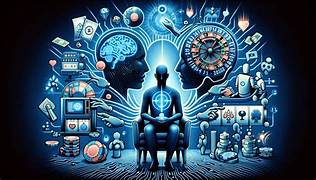
High Performance, High Risk: The Addiction Struggles Behind Engineering Success

The Weight of High Expectations

Engineers often work in environments where mistakes can be costly, deadlines are relentless, and competition is fierce. This constant pressure creates a culture where performance is prioritized over well-being. Many professionals turn to stimulants, caffeine, or even stronger substances in an attempt to keep up. What begins as a way to stay productive can quickly spiral into dependency.

Innovation and Its Toll on Mental Health

Engineering is not just about calculations and designs. It requires creativity, focus, and resilience. Over time, the demands of innovation can cause chronic stress and anxiety. Without proper support, these stressors increase the risk of substance misuse, burnout, and unhealthy coping mechanisms.

Technology as a Double-Edged Sword

Ironically, engineers are also vulnerable to the very technologies they create. Long hours on computers and smartphones often lead to digital dependency. While technology enables progress, overuse can contribute to sleep issues, disconnection from loved ones, and worsening mental health conditions.


How NGCA Network Supports Engineers in Recovery

Individualized Treatment Plans

Every person’s journey is unique, and so is every recovery plan. NGCA Network offers inpatient and outpatient programs that are tailored to address the specific challenges faced by engineers. Whether the struggle is substance abuse, digital addiction, or co-occurring mental health concerns, our team designs treatment that fits the individual’s lifestyle and goals.

Mental Health and Emotional Wellness

Addiction cannot be treated in isolation. Depression, anxiety, and work-related stress often go hand in hand with dependency. Through therapy, counseling, and evidence-based practices, we help clients build healthier ways to manage pressure and restore emotional stability.

Holistic and Faith-Based Care

True recovery requires addressing the whole person. At NGCA Network, we integrate holistic practices such as mindfulness, physical wellness, and faith-based support. These approaches help clients reconnect with their values, strengthen resilience, and discover a sense of balance that extends beyond the workplace.


Building a Sustainable Path Forward

Recovery is not about stepping away from success. It is about redefining what success means. Engineers in recovery learn how to set healthy boundaries, manage stress effectively, and maintain focus without relying on substances or unhealthy patterns. With the right guidance and support, it is possible to thrive professionally while protecting personal well-being.


Take the First Step Toward Healing

High performance does not have to come at the cost of your health. If you or someone you care about is struggling with addiction in the engineering field, NGCA Network is here to help. Our compassionate and client-centered approach empowers individuals to break free from dependency and build a healthier, more balanced life.

Contact NGCA Network today to begin the journey toward recovery. Your well-being and future success start with one courageous step.

Beyond the Blueprint: Tackling Substance and Tech Addiction in Engineering Careers

The engineering profession is known for problem-solving, precision, and innovation. Engineers design structures, systems, and technologies that shape the world around us. Yet behind the impressive blueprints and digital frameworks lies a hidden challenge. High-pressure deadlines, constant technological demands, and the expectation of peak performance often push engineers to unhealthy coping mechanisms. Substance abuse, stimulants, and even tech overuse are becoming increasingly common in this field. Recognizing and addressing these challenges is essential for mental health, career longevity, and overall well-being.

At NGCA Network, we understand that addiction and mental health struggles in engineering careers require more than conventional treatment. Our holistic, faith-based, and individualized programs are designed to support recovery in a compassionate and professional environment.


Understanding Addiction in Engineering Careers

High Stress and Its Consequences

Engineering professionals often work under intense pressure. Projects can span months or years, and even small mistakes may carry significant consequences. This high-stakes environment contributes to stress, burnout, and anxiety. Many engineers turn to substances such as stimulants, caffeine, or alcohol to cope with the demands of their work. While these may temporarily improve focus or reduce stress, they often lead to dependency and long-term health issues.

Technology Overuse and Digital Dependency

Ironically, the very technology engineers create can become a source of addiction. Extended hours spent coding, monitoring systems, or engaging in online platforms can evolve into compulsive digital behavior. This digital dependency affects sleep, productivity, and mental well-being. Over time, it can compound stress and make recovery from other addictive behaviors more difficult.


How NGCA Network Supports Recovery

Individualized Addiction Recovery Programs

At NGCA Network, we recognize that no two individuals have the same journey. Our inpatient and outpatient programs are tailored to address both substance use and tech-related compulsions. Each recovery plan considers the unique stressors of engineering careers, ensuring that treatment is practical, relevant, and effective.

Mental Health Treatment for Sustainable Healing

Addiction rarely exists in isolation. Depression, anxiety, and burnout are often underlying contributors to unhealthy behaviors. Our mental health services include counseling, therapy, and skill-building workshops that equip clients with tools for stress management, emotional resilience, and healthy coping strategies.

Holistic and Faith-Based Approaches

We integrate holistic methods that address the body, mind, and spirit. Faith-based guidance offers clients a path to purpose and meaning, helping many reconnect with core values and long-term goals. Practices such as mindfulness, meditation, and recreational therapy complement traditional treatment to support overall wellness.


Building a Balanced Professional Life

Recovery is not only about stopping substance use or reducing screen time. It is about restoring balance, setting healthy boundaries, and cultivating sustainable work habits. NGCA Network helps engineers rebuild their professional lives without sacrificing health. Clients learn to manage deadlines, leverage time management techniques, and develop strategies to prevent relapse while pursuing career success.


Take the First Step Toward Recovery

Substance use and tech addiction do not have to define your career or your life. NGCA Network provides compassionate, individualized care for engineers ready to reclaim their health and well-being. By addressing the root causes of addiction, promoting mental health, and supporting holistic recovery, we help clients achieve lasting change.

If you or someone you love is struggling with addiction in the engineering field, reach out to NGCA Network today. Your path to recovery and a balanced professional life begins with one courageous step.

From Burnout to Breakdown: The Mental Health Crisis in Tech and Engineering

The tech and engineering industries are driving the innovations that shape our world, but behind the groundbreaking achievements is a growing crisis. The pressure to deliver faster, smarter, and better can push even the most dedicated professionals to their breaking point. Burnout, chronic stress, and substance use disorders are becoming alarmingly common. For many, the relentless pace and expectations are not just exhausting—they are damaging mental health and, in some cases, leading to full breakdowns.

At NGCA Network, we understand that mental health and addiction challenges in these high-pressure fields require more than a quick fix. They call for compassionate, personalized care that addresses the whole person—mind, body, and spirit.


Understanding the Unique Pressures in Tech and Engineering

Long Hours and High Stakes

In fields where deadlines can make or break million-dollar projects, the workday often stretches far beyond eight hours. Sleep deprivation, skipped meals, and constant connectivity become the norm. Over time, these habits wear down both mental resilience and physical health.

The Perfection Trap

Engineers and tech professionals are trained to avoid mistakes at all costs. While precision is essential for innovation, this mindset can create unhealthy levels of self-criticism and anxiety. The fear of failure can fuel obsessive work habits and leave no room for self-care.

Self-Medication and Hidden Struggles

Many turn to stimulants, alcohol, or other substances to cope with stress or stay awake through long coding marathons. Others develop digital dependencies, unable to disconnect from devices even during personal time. These coping mechanisms may mask the pain temporarily but often lead to deeper cycles of addiction and emotional distress.


Breaking the Cycle with Holistic, Individualized Care

At NGCA Network, we believe recovery is not one-size-fits-all. Our holistic, faith-based approach combines evidence-based therapies with supportive practices that nurture every aspect of a person’s well-being.

Comprehensive Addiction Recovery

We offer inpatient and outpatient programs that address substance use, workaholism, and digital addiction. Each plan is tailored to meet the individual’s needs, considering both professional demands and personal history.

Mental Health Treatment for Lasting Stability

Through counseling, group therapy, and skill-building workshops, clients learn healthy coping strategies to manage stress, anxiety, and depression. Our programs also focus on rebuilding confidence, relationships, and purpose beyond work.

Integrating Faith and Wellness

For those who seek spiritual healing, we integrate faith-based principles to guide recovery. This helps many clients reconnect with a deeper sense of meaning and hope, providing an anchor during challenging times.


A Healthier Future Starts with One Step

Burnout and breakdown do not have to be the end of your story. With the right help, it is possible to recover your health, restore balance, and rediscover joy in both work and life. If you or someone you love is struggling with addiction or mental health challenges in the tech or engineering world, NGCA Network is here to help you take that first step toward healing.

Your future is worth protecting. Contact NGCA Network today to begin your journey to recovery.

When Innovation Hurts: The Hidden Epidemic of Addiction Among Engineers

Engineering is often seen as the engine of progress, propelling societies forward with groundbreaking technologies and transformative ideas. But behind the sleek code and innovative systems lies a troubling and often overlooked issue: addiction among engineers. As professionals in high-pressure, high-performance environments, engineers face unique mental and emotional challenges that can lead to substance abuse, digital addiction, and harmful coping mechanisms. This hidden epidemic deserves serious attention.

The Drive for Innovation and Its Toll

The engineering world thrives on perfection, precision, and problem-solving. Engineers are expected to meet tight deadlines, keep up with evolving technologies, and continually deliver innovative solutions. These demands can quickly spiral into chronic stress, anxiety, and exhaustion. In such environments, it’s not uncommon for individuals to turn to stimulants, alcohol, or compulsive behaviors as a way to cope.

Smart drugs like Modafinil and Adderall are sometimes misused in the industry to maintain focus during extended work hours or to meet unrealistic project expectations. While these substances may temporarily boost productivity, they can lead to dependency and long-term health consequences. Meanwhile, caffeine overuse is normalized, and alcohol is often used to unwind after grueling workdays—further blurring the line between casual use and addiction.

Moreover, engineers—particularly those in software and tech—are prone to digital addiction. The very tools they build and optimize become sources of compulsive engagement. Many engineers find themselves checking work emails after hours, refreshing code repositories, or getting lost in online communities—all contributing to a state of being constantly “plugged in.”

The Cost of Silence

One of the most dangerous aspects of addiction in engineering is its invisibility. High-functioning individuals often hide their struggles out of fear of appearing weak or unprofessional. As a result, addiction quietly undermines not only individual well-being but also team performance, workplace morale, and innovation itself.

Productivity may decline as mental fatigue sets in. Creativity can wane under the pressure of overwork. Team dynamics suffer when burnout leads to irritability or withdrawal. Most critically, failing to address addiction perpetuates a toxic culture where unhealthy behaviors are normalized, and seeking help is discouraged.

Creating a Healthier Engineering Environment

To combat this epidemic, a cultural shift is necessary:

  1. Promote Awareness and Mental Health Education: Employers should integrate mental health and addiction education into workplace training. Engineers need to know the signs of addiction and feel empowered to seek help.
  2. Encourage Healthy Work Habits: Managers can lead by example, promoting regular breaks, reasonable deadlines, and respect for personal time.
  3. Redesign Work Culture: Shifting the focus from nonstop productivity to sustainable performance can reduce pressure and prevent burnout.
  4. Provide Access to Resources: Counseling, peer support groups, and confidential assistance programs should be accessible to all employees.

Conclusion

Innovation should not come at the cost of well-being. As the hidden epidemic of addiction continues to affect engineers across sectors, it’s time for organizations and leaders to recognize the issue and act. By fostering a culture that values health alongside performance, the engineering industry can create a future where innovation is powered by resilient, supported individuals—not by silent suffering.


Code, Stress, and Substances: Unmasking Addiction in the Engineering Industry

The engineering industry, often celebrated for driving innovation and technological breakthroughs, hides a lesser-known but pressing issue: addiction. From long hours spent coding to the relentless pressure of deadlines and competitive markets, engineers frequently operate in high-stress environments. In this landscape, some turn to substances, stimulants, and compulsive work behaviors to cope. Unmasking addiction in the engineering industry is vital to fostering a healthier, more sustainable workforce.

The Roots of Addiction in Engineering

Engineering professions are synonymous with problem-solving, precision, and constant learning. However, the demand for peak performance often pushes individuals to their limits. The “always-on” mentality, fueled by tight project cycles and the expectation of rapid innovation, can lead to burnout. To meet these expectations, some engineers resort to unhealthy coping mechanisms.

Substance abuse, including the misuse of caffeine, prescription stimulants like Adderall or Modafinil, and even alcohol, is not uncommon in the tech and engineering sectors. These substances are often used to boost focus, extend work hours, and combat fatigue. While they may offer temporary relief, dependency can develop over time, leading to serious health risks.

Workaholism, another form of addiction prevalent in the industry, is frequently overlooked because it is often rewarded with promotions and praise. Yet, compulsive overworking can erode mental health, damage personal relationships, and diminish overall life satisfaction. The blurred line between dedication and dependency makes this issue particularly challenging to address.

Digital addiction also plays a role, as engineers spend countless hours in front of screens. The compulsion to check emails, respond to messages, and engage in non-stop coding can foster an unhealthy attachment to technology, further feeding into stress and anxiety.

The Consequences of Ignoring the Problem

Addiction in the engineering workforce doesn’t just impact individuals; it affects teams, companies, and the industry as a whole. Substance dependency can lead to decreased cognitive function, errors in judgment, and compromised productivity. Workaholism can result in burnout, causing skilled professionals to leave the industry altogether.

Unchecked addiction can also create a toxic workplace culture where pushing limits is normalized and seeking help is stigmatized. This not only endangers employee health but also hinders innovation by replacing creativity with exhaustion.

Building a Healthier Engineering Culture

Addressing addiction in engineering requires a multi-faceted approach:

  1. Promoting Mental Health Awareness: Companies should offer resources such as counseling, support groups, and workshops on stress management to normalize conversations about mental health.
  2. Encouraging Work-Life Balance: Implementing flexible schedules, remote work options, and mandatory time off can help reduce the pressure to overwork.
  3. Training Managers to Spot Warning Signs: Supervisors should be equipped to recognize the signs of substance use and workaholism and know how to intervene supportively.
  4. Fostering Open Dialogue: Creating a culture where employees feel safe discussing addiction or seeking help without fear of judgment is crucial.

Conclusion

The engineering industry thrives on innovation, but it must also prioritize the health and well-being of its workforce. By unmasking the realities of addiction and taking proactive steps to address it, the industry can create an environment where progress and personal wellness go hand in hand.


Breaking the Algorithm: Engineering Responsible Tech to Reduce Digital Overuse

As digital platforms continue to dominate modern life, concerns over excessive screen time and digital overuse have reached a tipping point. From social media to streaming services, many of today’s most popular technologies are engineered for maximum engagement, often using algorithms that prioritize attention over well-being. While these systems have driven growth and innovation, they’ve also contributed to rising levels of anxiety, sleep disruption, and digital addiction. It’s time to break the algorithm—not by eliminating it, but by re-engineering it for responsibility, balance, and healthier user experiences.

The Problem with Engagement-First Algorithms

At the heart of digital overuse lies the engagement algorithm: a system designed to deliver content that users are most likely to interact with. These algorithms are optimized for metrics like clicks, likes, watch time, and shares, not user satisfaction or mental health. By serving content that is emotionally charged, sensational, or endlessly consumable, these systems create a feedback loop that keeps users hooked.

The consequences are clear. Endless scrolling, autoplay features, and algorithmically curated content have made it increasingly difficult for users to disconnect. What was once a tool for connection and information has become a constant presence, demanding attention and shaping behavior.

Toward Responsible Algorithm Design

Responsible tech doesn’t mean abandoning algorithms—it means rethinking how they are designed, deployed, and evaluated. Here are several strategies engineers and designers can adopt to promote digital well-being:

  1. Prioritize User Intent over Engagement
    Algorithms should prioritize content that aligns with a user’s declared goals or interests rather than pushing the most addictive content. Giving users greater control over what they see and why they see it can foster a more intentional and less compulsive relationship with technology.
  2. Incorporate Digital Well-being Metrics
    Success should not be measured solely by time spent on an app. Engineers can develop metrics that reflect healthy usage patterns, user satisfaction, and emotional well-being. Tracking and optimizing for these indicators can encourage more balanced engagement.
  3. Introduce Friction for Reflection
    Inserting friction—like “Are you sure?” prompts, end-of-scroll messages, or mindful reminders—gives users a moment to reconsider their actions. These design elements can help interrupt habitual scrolling and promote conscious usage.
  4. Enable Transparency and Customization
    Users should be informed about how algorithms work and given tools to customize their experience. Clear explanations of content curation and options to opt out of certain types of recommendations can empower users and build trust.
  5. Collaborate with Behavioral Experts
    Incorporating insights from psychologists and behavioral scientists can ensure that design decisions consider long-term user well-being. Cross-disciplinary collaboration can lead to smarter, more ethical algorithms.

Building a Healthier Digital Future

Breaking the algorithm is not about halting progress—it’s about guiding it with empathy and foresight. By engineering platforms that value well-being as much as engagement, the tech industry can take a leading role in combating digital overuse. Ultimately, responsible algorithms can help users reclaim control over their time, attention, and mental health, paving the way for a more humane and sustainable digital future.


Gaming, Gambling, and AI: How Technology is Engineering Behavioral Addictions

As artificial intelligence (AI) continues to revolutionize industries, its integration into gaming and gambling has sparked both awe and alarm. While AI enhances user experiences and personalizes gameplay, it also plays a central role in the development of behavioral addictions. By exploiting psychological triggers and leveraging data-driven strategies, modern technologies are not only keeping users engaged but also potentially leading them into harmful, compulsive behaviors.

The Convergence of Gaming and Gambling

The line between gaming and gambling is increasingly blurred. Many video games now include gambling-like features, such as loot boxes, prize wheels, and microtransactions that mimic slot machine mechanics. These systems are often powered by AI algorithms that learn from user behavior and tailor the gaming experience to maximize time and spending.

Similarly, online gambling platforms use AI to personalize betting suggestions, offer targeted promotions, and adjust difficulty or rewards to keep users engaged. The gamification of gambling and the gambling-ification of gaming create environments where the brain’s reward system is constantly stimulated, encouraging repeat behavior that can escalate into addiction.

The Role of AI in Behavioral Manipulation

AI excels at pattern recognition and prediction. In gaming and gambling, this means systems can analyze how long a player stays engaged, what types of rewards they prefer, and when they are most likely to make a purchase or place a bet. AI then uses this data to fine-tune the experience, offering incentives at just the right moment to prolong engagement.

For example, if a user shows signs of losing interest, the system may deliver a timely reward or message to rekindle excitement. These interventions, while subtle, can have powerful psychological effects—reinforcing behavior patterns that resemble classic addiction cycles.

AI also enables dynamic pricing and adaptive difficulty levels, adjusting the game environment in real-time to keep users on the hook. For gamblers, AI can track losses and wins to deliver promotions designed to recapture attention after a losing streak, often preying on the emotional state of the user.

Psychological Triggers and the Addiction Cycle

Behavioral addictions develop when users are drawn into cycles of reward and reinforcement. Intermittent rewards—those that occur at unpredictable intervals—are especially powerful. Games and gambling platforms use this principle extensively, offering random wins and rare rewards that keep users coming back for more.

These cycles tap into dopamine pathways in the brain, creating a sense of anticipation and satisfaction that becomes difficult to resist. Over time, users may develop compulsive behaviors, chasing the next reward despite mounting consequences.

Toward Responsible Innovation

To counteract these risks, developers, engineers, and policymakers must work toward responsible innovation. This includes:

  • Transparency in AI use: Users should be informed about how AI influences their gaming or gambling experiences.
  • Stronger regulation: Governments must enforce stricter guidelines on loot boxes, in-game purchases, and AI-driven gambling platforms.
  • Ethical design: Developers should include features like time limits, spending caps, and addiction warnings.
  • Research and education: Greater investment in understanding behavioral addiction and educating users can promote healthier habits.

Conclusion

AI is a powerful tool that, when used unethically, can deepen behavioral addictions in gaming and gambling. However, it also holds the potential to protect and inform users if guided by ethical principles. The responsibility lies with engineers, companies, and regulators to ensure that technology serves humanity—not exploits it.


Social Media, Smartphones, and the Attention Economy: Engineering a Less Addictive Future

In the digital age, attention has become a prized commodity. Social media platforms and smartphone applications are engineered to capture and retain users’ focus for as long as possible, monetizing every moment spent online. This phenomenon, known as the attention economy, has led to technologies that exploit psychological vulnerabilities, contributing to widespread digital addiction. As awareness of these consequences grows, engineers and designers are being called upon to rethink how digital tools are built—shifting from addictive mechanisms toward more ethical, user-centered designs.

The Mechanics of the Attention Economy

Social media platforms like Instagram, TikTok, and Facebook are not just communication tools—they are meticulously crafted ecosystems designed to maximize user engagement. Algorithms curate content that aligns with users’ preferences, triggering emotional responses and encouraging longer sessions. Features like endless scrolling, autoplay, and instant notifications ensure that users remain hooked, often losing track of time.

Smartphones serve as the gateway to these platforms, offering constant connectivity and access. The convenience of mobile technology makes it difficult to disconnect, blurring the line between online and offline life. These digital habits are reinforced by dopamine-driven reward systems, where likes, shares, and comments provide instant gratification, fueling a cycle of compulsive use.

The Consequences of a Distracted Society

The dominance of the attention economy has significant implications for mental health, productivity, and social relationships. Excessive screen time has been linked to increased anxiety, depression, sleep disturbances, and reduced attention spans. The compulsive need to check phones or social media feeds disrupts real-life interactions, diminishes focus, and contributes to a pervasive sense of digital fatigue.

Young people, in particular, are vulnerable. Growing up in a hyperconnected world, many experience difficulties managing screen time and may struggle with identity and self-worth issues shaped by online validation.

Engineering for a Healthier Future

To counteract these trends, engineers and designers must adopt a more ethical approach to technology development—one that respects users’ attention rather than exploits it.

  1. Designing for Intentional Use
    Features such as screen time dashboards, app timers, and usage alerts empower users to monitor and manage their digital habits. Interfaces that promote mindful engagement rather than passive consumption can help users develop healthier relationships with their devices.
  2. Creating Natural Stopping Points
    Replacing infinite scroll with content pagination or encouraging periodic pauses can help users reflect on their usage and decide when to disengage. These changes introduce moments of awareness in an otherwise seamless experience.
  3. Ethical Algorithm Design
    Developers can fine-tune recommendation algorithms to prioritize meaningful, diverse content over purely attention-grabbing material. Transparency around how content is curated also enables users to make informed decisions.
  4. Redefining Success Metrics
    Rather than measuring success by time spent or clicks generated, platforms can adopt metrics focused on user well-being, satisfaction, and positive impact.
  5. Digital Literacy and Empowerment
    Educating users—especially young people—about the mechanics of the attention economy and the psychological effects of digital media fosters critical thinking and promotes self-regulation.

Conclusion

The future of digital technology need not be dominated by addiction and distraction. By embracing ethical engineering principles, the tech industry can create tools that enrich lives without compromising mental health. A less addictive future is possible—one where technology supports human flourishing rather than undermines it.


Coding Under the Influence: The Impact of Smart Drug and Caffeine Addiction in Tech Professions

In the high-pressure world of technology, where deadlines are tight and innovation never sleeps, many professionals turn to performance-enhancing substances to maintain their edge. Among the most common are smart drugs—also known as nootropics—and caffeine. While these substances can temporarily boost focus and productivity, their overuse and potential for dependency have sparked growing concerns about health, ethics, and workplace culture in the tech industry.

The Rise of Smart Drugs and Caffeine in Tech

Smart drugs like modafinil, Adderall, and various over-the-counter nootropics are increasingly popular among software engineers, developers, and tech entrepreneurs. Marketed as cognitive enhancers, these substances are often used to extend focus, improve memory, and boost energy levels during long coding sessions or high-stakes projects.

Similarly, caffeine—found in coffee, energy drinks, and supplements—remains the most widely used stimulant. In many tech workplaces, a coffee machine is as central as a whiteboard, and pulling a caffeine-fueled all-nighter is often seen as a badge of honor.

However, the normalization of these substances has led to a culture that not only tolerates but sometimes even encourages dependency in the name of productivity.

The Consequences of Substance Dependence

While occasional use of caffeine or smart drugs may seem harmless, habitual reliance can have serious consequences. Prolonged use of nootropics, especially without medical supervision, can lead to side effects such as insomnia, anxiety, heart palpitations, and even addiction. In some cases, the crash after the drug’s effects wear off can impair judgment and emotional stability.

Caffeine, though legal and socially accepted, is not without risks. High consumption can contribute to chronic sleep deprivation, increased stress levels, and digestive problems. Over time, users may develop tolerance, requiring more of the substance to achieve the same effect, which further entrenches dependence.

Beyond physical health, these substances can also impact team dynamics and workplace culture. Colleagues who choose not to use stimulants may feel pressured to keep up with those who do, potentially leading to burnout or feelings of inadequacy. This creates an uneven playing field and raises ethical questions about fairness and informed choice in the workplace.

Toward a Healthier Tech Culture

The tech industry must confront the underlying factors driving substance dependence. Unrealistic expectations, glorified hustle culture, and inadequate work-life boundaries all contribute to the demand for performance-enhancing substances.

To address this, companies can implement more sustainable productivity strategies. Encouraging regular breaks, fostering a culture of rest and recovery, and promoting time management training can reduce the perceived need for stimulants. Offering wellness programs, access to mental health resources, and education on the risks of substance use can also empower employees to make healthier choices.

Leaders play a key role in modeling balanced behavior. When executives and managers prioritize well-being over nonstop output, it sets a tone that values long-term performance and employee health.

Conclusion

While smart drugs and caffeine may offer short-term gains, their long-term effects on health and workplace dynamics cannot be ignored. As the tech industry continues to evolve, it must move away from dependency-driven performance models and toward a more sustainable, ethical approach to productivity. In doing so, it can support not only innovation but also the well-being of the people who make it possible.


The Role of AI and Algorithms in Fueling and Combating Technology Addiction

potential to he

In recent years, the widespread use of artificial intelligence (AI) and algorithms has transformed every aspect of our digital lives. While these technologies have revolutionized industries ranging from healthcare to entertainment, they have also been a driving force behind the rise of technology addiction. As AI and algorithms are increasingly integrated into platforms such as social media, online gaming, and streaming services, they have been both a catalyst for addictive behaviors and a potential solution for combating digital dependency.

How AI and Algorithms Fuel Technology Addiction

AI-driven algorithms are designed to optimize user engagement by personalizing content and interactions. These systems analyze vast amounts of user data, identifying patterns in behavior and preferences, and use this information to curate content that keeps users hooked. In essence, the goal of these algorithms is to maximize time spent on a platform, which directly correlates to higher revenues from advertising and increased platform usage.

A prime example of this is social media platforms like Facebook, Instagram, and TikTok. These platforms use sophisticated AI algorithms to deliver highly personalized feeds, prioritizing content that is most likely to generate a reaction from users. Features such as endless scrolling and auto-play videos are engineered to keep users engaged by presenting them with a constant stream of content. Each new post, like, or comment triggers the release of dopamine, creating a cycle of short-term rewards that reinforces continued use.

Similarly, AI in video games is designed to increase player engagement by offering personalized challenges or rewards. Many games employ dynamic difficulty adjustment (DDA) algorithms that tailor the game’s level of difficulty to match a player’s skill level, making it just challenging enough to keep the player engaged without causing frustration. This system creates a compelling loop that keeps players coming back for more, as they are constantly motivated by the desire to overcome new challenges or unlock new rewards.

The underlying issue with these AI-driven systems is that they exploit human psychological vulnerabilities, such as the desire for instant gratification, social validation, and the fear of missing out (FOMO). As a result, users find it increasingly difficult to disconnect from their devices, leading to technology addiction.

AI and Algorithms: Tools for Combating Tech Addiction

While AI and algorithms have played a role in fueling tech addiction, they also hold promise as tools for combating it. As the conversation around digital well-being grows, engineers and researchers are exploring ways to use AI to create healthier, more balanced digital experiences.

One way AI can help address tech addiction is through personalized usage monitoring. Many platforms are already integrating AI-driven features that provide users with real-time feedback on their screen time, offering insights into their digital habits. For example, smartphones and social media apps now include built-in tools that track time spent on apps and offer reminders when users exceed a certain threshold. AI can also suggest breaks or encourage users to engage in healthier activities when it detects prolonged usage.

Another promising development is the integration of AI-based digital wellness tools. These tools use AI to assess how users interact with technology and recommend actions that promote healthier habits. For instance, AI could suggest limiting social media usage based on a user’s emotional response to certain content or recommend time-limited usage of certain apps. These AI interventions can help users build self-awareness around their digital habits and take proactive steps to reduce addiction.

Furthermore, AI is being used to regulate content consumption in a way that prioritizes well-being. For example, platforms can adjust their algorithms to emphasize content that promotes mental health, mindfulness, or education rather than addictive content. In this scenario, AI works to create a more balanced experience for users, reducing exposure to harmful or overly engaging content that perpetuates addictive behavior.

Ethical Challenges and Future Considerations

The use of AI to combat tech addiction is not without its challenges. There are ethical concerns about how much control AI should have over users’ behaviors and whether it could inadvertently infringe on privacy or autonomy. Additionally, there is the potential for AI-driven interventions to be used for commercial purposes, such as encouraging users to spend more time on a platform or buy more products.

To ensure that AI is used responsibly in addressing tech addiction, it is crucial for developers to prioritize user autonomy and transparency. Users must be informed about how their data is being used and given control over their digital experiences. Furthermore, regulatory bodies may need to step in to establish guidelines for ethical AI design, ensuring that it is aligned with public health and well-being.

Conclusion

AI and algorithms are double-edged swords in the battle against tech addiction. While they have contributed to the rise of digital dependency by creating highly engaging, personalized experiences, they also hold the potential to help users regain control over their technology usage. By leveraging AI for personalized wellness, usage monitoring, and content regulation, we can create digital environments that promote healthier interactions and reduce the negative impacts of tech addiction. As technology continues to evolve, a balanced approach that integrates ethical design and user-centric AI will be essential in shaping a healthier digital future.

p users regain control over their technology usage. By leveraging AI for personalized wellness, usage monitoring, and content regulation, we can create digital environments that promote healthier interactions and reduce the negative impacts of tech addiction. As technology continues to evolve, a balanced approach that integrates ethical design and user-centric AI will be essential in shaping a healthier digital future.