Breaking the Cycle: How Engineering Culture Contributes to Workaholism and Addiction

The engineering field is often celebrated for innovation, precision, and problem-solving. Engineers design the systems and technologies that shape modern life, pushing boundaries and creating solutions that transform industries. However, behind these accomplishments lies a hidden challenge. The same high-pressure culture that drives innovation can also contribute to workaholism, stress, and even addiction. Long hours, tight deadlines, and constant expectations often lead professionals to rely on unhealthy coping mechanisms to maintain productivity.

At NGCA Network, we understand the unique pressures of the engineering and tech fields. Our comprehensive addiction recovery services, mental health treatment programs, and holistic, faith-based approaches provide professionals with the support they need to break the cycle of dependency and rebuild balance in their personal and professional lives.


Understanding the Link Between Engineering Culture and Addiction

High-Pressure Work Environments

Engineers often face intense deadlines, complex projects, and high stakes in their work. This environment can create a constant sense of urgency and stress. Over time, the need to “keep up” can lead professionals to rely on stimulants, caffeine, alcohol, or other substances to sustain performance, creating patterns of dependency.

The Perfectionism Trap

Attention to detail and accuracy are essential qualities in engineering. However, when perfectionism becomes an expectation rather than a skill, it can lead to chronic stress, self-criticism, and burnout. Professionals may feel they cannot slow down, even as their mental and physical health begins to decline.

Digital Dependency and Overwork

Working in technology often requires long hours in front of screens and continual connectivity. While essential for productivity, this can contribute to digital dependency and prevent engineers from truly disconnecting from work. Over time, the inability to unplug can intensify stress and exacerbate addictive behaviors.


Signs of Workaholism and Addiction

Recognizing the signs of workaholism and addiction is the first step toward recovery. Common indicators include:

  • Persistent fatigue or emotional exhaustion

  • Increasing reliance on substances to maintain focus or manage stress

  • Difficulty disconnecting from work or setting boundaries

  • Social withdrawal from colleagues, friends, or family

  • Declining job performance or lack of engagement despite long hours

Awareness of these patterns allows engineers to seek help before challenges escalate into more serious health concerns.


How NGCA Network Supports Recovery

Individualized Treatment Plans

Recovery is personal, and NGCA Network tailors every treatment plan to fit the individual’s needs. Our inpatient and outpatient programs provide flexible care options for engineers, accommodating professional demands while delivering effective support.

Comprehensive Mental Health Care

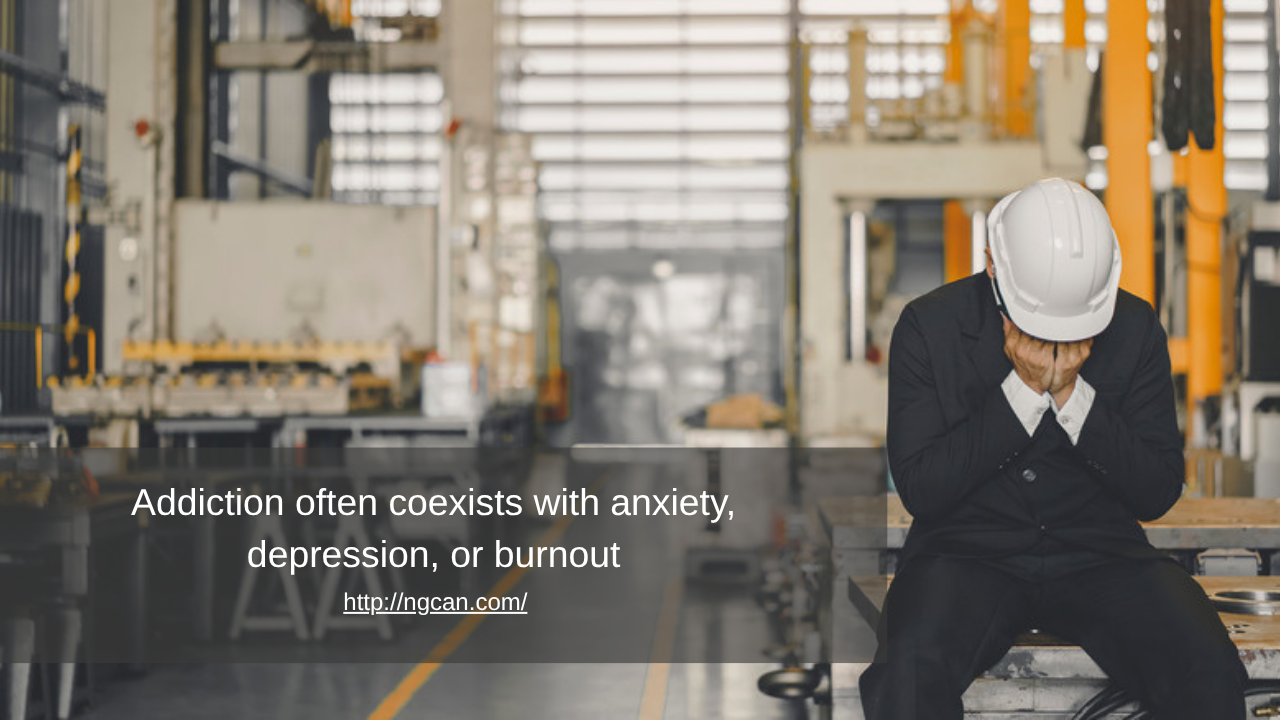
Addiction often coexists with anxiety, depression, or burnout. Our mental health services provide therapy, counseling, and skill-building to address the root causes of dependency and build resilience for long-term well-being.

Holistic and Faith-Based Approaches

We treat the whole person, incorporating holistic practices such as mindfulness, physical wellness, and recreational therapy. Faith-based guidance helps individuals reconnect with their values and purpose, supporting a sense of hope and renewal throughout the recovery journey.


Building a Healthier Professional Life

Breaking the cycle of workaholism and addiction means more than stopping substance use. It involves developing healthy boundaries, learning stress management techniques, and redefining success in a sustainable way. With guidance from NGCA Network, engineers can regain control, restore balance, and thrive both personally and professionally.


Take the First Step Toward Recovery

Addiction and workaholism do not have to define your career or your life. NGCA Network provides compassionate, professional, and individualized care to help engineers overcome dependency and rebuild resilience.

Contact NGCA Network today to begin your journey toward recovery. A healthier, more balanced, and fulfilling life is possible with the right support.


Building Resilience: How the Engineering Field Can Confront Its Addiction Problem

At NGCA Network, we understand that true success comes from balance and well-being, not burnout or dependence. Our addiction recovery programs, mental health treatment services, and holistic, faith-based approaches help individuals rebuild strength and find lasting healing.


The Hidden Struggles of Engineering Professionals

A Culture of High Expectations

The engineering field often rewards perfectionism and long work hours. While dedication is essential, these expectations can push professionals beyond their limits. Over time, the line between ambition and exhaustion begins to blur, leading to unhealthy coping mechanisms like substance use or overreliance on stimulants to maintain productivity.

Mental Health Under Pressure

Engineering work is intellectually demanding and emotionally taxing. Meeting deadlines, solving complex problems, and staying ahead of technological change can create chronic stress and anxiety. Without proper mental health support, many professionals find themselves caught in a cycle of overwork, isolation, and self-medication.

The Cost of Silence

Addiction in engineering is often hidden behind a culture of pride and productivity. Many fear that admitting they are struggling could harm their reputation or career. This silence prevents individuals from seeking help and reinforces a cycle that damages both personal health and workplace performance.


Confronting Addiction Through Awareness and Support

Recognizing the Warning Signs

The first step toward addressing addiction in the engineering field is awareness. Common signs may include frequent fatigue, mood swings, declining performance, or dependence on substances to manage stress or stay alert. Recognizing these early indicators can prevent deeper struggles and encourage timely intervention.

Encouraging a Healthier Work Culture

Engineering firms and tech organizations can play a crucial role by promoting open discussions about mental health, offering employee wellness programs, and reducing the stigma around addiction recovery. Creating space for self-care, balance, and rest helps prevent burnout and promotes sustainable success.

Building Personal Resilience

Resilience is the ability to adapt and recover from challenges. For engineers facing addiction, building resilience means learning healthy ways to manage pressure, setting realistic boundaries, and prioritizing mental well-being. With the right support, individuals can overcome dependency and rediscover their passion for innovation without sacrificing health.


How NGCA Network Helps Engineers Recover and Thrive

At NGCA Network, we take a compassionate, individualized approach to addiction recovery and mental health care. Our services include:

  • Inpatient and outpatient programs that provide structure, accountability, and flexibility.

  • Holistic treatment methods that integrate physical health, emotional healing, and mindfulness.

  • Faith-based care for individuals seeking spiritual guidance and purpose in their recovery journey.

  • Comprehensive mental health support to address anxiety, depression, and the root causes of addiction.

By focusing on the whole person—mind, body, and spirit—we help engineers and professionals restore balance and resilience both in and outside of their careers.


Taking the First Step Toward Healing

Addiction does not define your abilities or your future. Confronting it takes courage, self-awareness, and the right support. At NGCA Network, we are here to help you take that first step toward recovery with compassion, respect, and expert care.

Contact NGCA Network today to learn how our holistic and faith-based addiction recovery programs can help you or someone you love find freedom, balance, and renewed purpose. A healthier, more resilient life starts with reaching out for help.

Innovation at a Cost: Recognizing and Reducing Addiction in Engineering Environments

Engineering is a profession built on innovation, precision, and relentless problem-solving. The drive to design, create, and improve is what moves industries forward. Yet behind this culture of innovation lies a growing and often overlooked challenge: addiction. The pressures of constant performance, long hours, and high expectations can take a toll on mental health, leading many engineers to turn to substances, stimulants, or unhealthy coping mechanisms just to keep up.

At NGCA Network, we understand that the same determination that makes engineers successful can also make it difficult to slow down and seek help. Our compassionate, faith-based, and individualized recovery programs are designed to help professionals overcome addiction while rediscovering balance, clarity, and purpose.


Understanding Addiction in Engineering

The Hidden Pressures of the Profession

Engineering environments are often demanding and fast-paced. Tight deadlines, complex projects, and high-stakes decisions create immense pressure to perform. This constant stress can lead to burnout and unhealthy coping strategies, including substance use or behavioral dependencies like overworking and digital addiction.

Perfectionism and Performance Culture

Many engineers are perfectionists by nature. This mindset can drive excellence, but it also fosters self-criticism and chronic stress. When success is tied to flawless results, individuals may push themselves beyond healthy limits. Over time, they may rely on caffeine, stimulants, or alcohol to manage fatigue or anxiety, unaware that these short-term solutions are building dependency.

The Role of Workplace Culture

Engineering teams often value productivity and endurance over self-care. Conversations about mental health and addiction are still stigmatized, causing many professionals to hide their struggles. This silence perpetuates the problem, making it harder for individuals to seek the help they need before addiction deepens.


Recognizing the Warning Signs

Early recognition can make a life-changing difference. Signs of addiction in engineering professionals can include:

  • Increasing reliance on substances to stay alert or unwind

  • Persistent fatigue or mood swings

  • Declining work performance or engagement

  • Withdrawing from colleagues, friends, or family

  • Difficulty disconnecting from work or taking breaks

Acknowledging these patterns is not a sign of weakness but a critical first step toward recovery and healing.


How NGCA Network Supports Recovery for Engineers

Individualized Treatment Plans

At NGCA Network, we tailor every recovery plan to fit the individual’s needs and professional reality. Whether through inpatient care for intensive healing or outpatient programs that offer flexibility, our goal is to meet clients where they are and guide them toward lasting wellness.

Comprehensive Mental Health Care

Addiction rarely exists in isolation. Many engineers also experience stress, anxiety, or depression. Our integrated mental health treatment addresses these underlying issues, helping clients build emotional resilience and sustainable coping strategies.

Holistic and Faith-Based Healing

We believe recovery is most effective when it supports the whole person. Our holistic approach includes therapy, mindfulness, physical wellness, and, for those who seek it, faith-based care that nurtures spiritual renewal and purpose. This balance helps clients rediscover meaning beyond their work and embrace a healthier, more grounded way of living.


Building Healthier Engineering Environments

Recovery is not only an individual journey but also a cultural shift. Engineering companies can help reduce addiction by encouraging work-life balance, promoting open discussions about mental health, and providing resources for support. When leaders foster a compassionate and balanced work culture, it benefits both employees and innovation itself.


Take the First Step Toward Healing

Innovation should never come at the expense of well-being. If you or someone you know in the engineering field is struggling with addiction or burnout, NGCA Network can help. Through personalized, holistic, and faith-based care, we provide the tools and support needed to heal and rebuild a life rooted in health and hope.

Reach out to NGCA Network today to begin your journey toward recovery. A balanced, fulfilling, and purposeful life is possible with the right guidance and care.