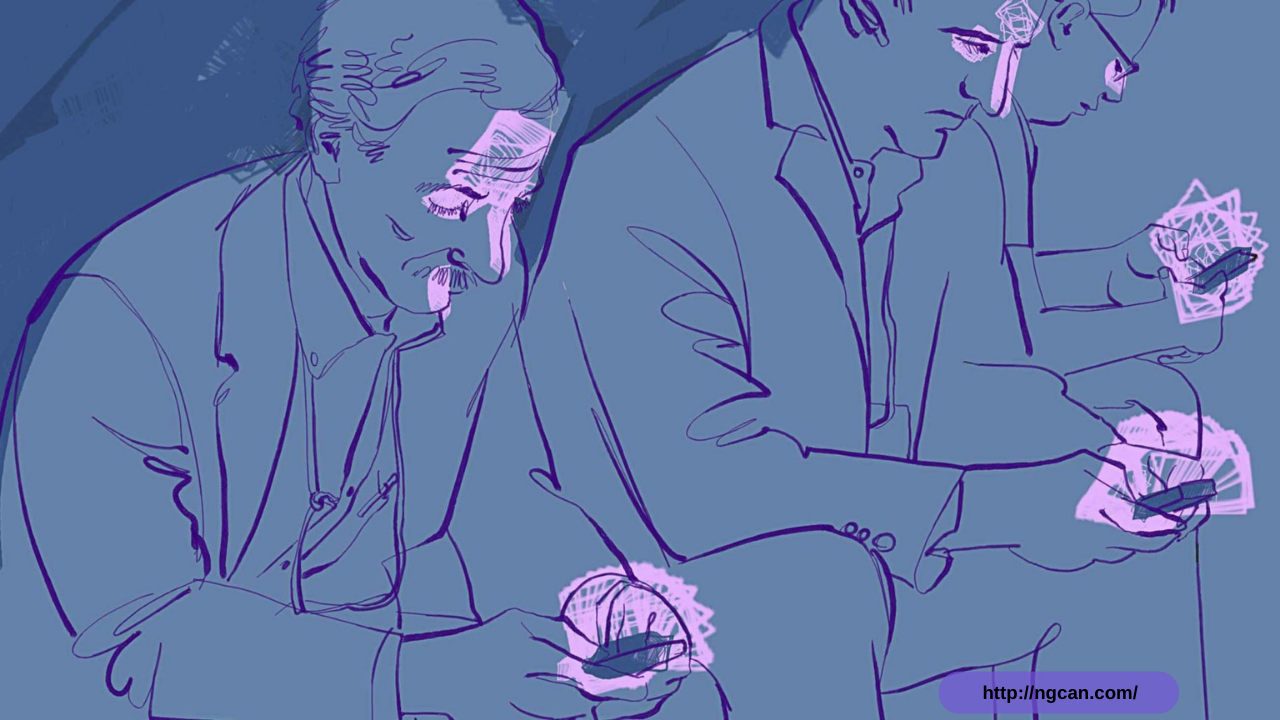
Beyond the Blueprint: Tackling Substance and Tech Addiction in Engineering Careers

The engineering profession is known for problem-solving, precision, and innovation. Engineers design structures, systems, and technologies that shape the world around us. Yet behind the impressive blueprints and digital frameworks lies a hidden challenge. High-pressure deadlines, constant technological demands, and the expectation of peak performance often push engineers to unhealthy coping mechanisms. Substance abuse, stimulants, and even tech overuse are becoming increasingly common in this field. Recognizing and addressing these challenges is essential for mental health, career longevity, and overall well-being.

At NGCA Network, we understand that addiction and mental health struggles in engineering careers require more than conventional treatment. Our holistic, faith-based, and individualized programs are designed to support recovery in a compassionate and professional environment.


Understanding Addiction in Engineering Careers

High Stress and Its Consequences

Engineering professionals often work under intense pressure. Projects can span months or years, and even small mistakes may carry significant consequences. This high-stakes environment contributes to stress, burnout, and anxiety. Many engineers turn to substances such as stimulants, caffeine, or alcohol to cope with the demands of their work. While these may temporarily improve focus or reduce stress, they often lead to dependency and long-term health issues.

Technology Overuse and Digital Dependency

Ironically, the very technology engineers create can become a source of addiction. Extended hours spent coding, monitoring systems, or engaging in online platforms can evolve into compulsive digital behavior. This digital dependency affects sleep, productivity, and mental well-being. Over time, it can compound stress and make recovery from other addictive behaviors more difficult.


How NGCA Network Supports Recovery

Individualized Addiction Recovery Programs

At NGCA Network, we recognize that no two individuals have the same journey. Our inpatient and outpatient programs are tailored to address both substance use and tech-related compulsions. Each recovery plan considers the unique stressors of engineering careers, ensuring that treatment is practical, relevant, and effective.

Mental Health Treatment for Sustainable Healing

Addiction rarely exists in isolation. Depression, anxiety, and burnout are often underlying contributors to unhealthy behaviors. Our mental health services include counseling, therapy, and skill-building workshops that equip clients with tools for stress management, emotional resilience, and healthy coping strategies.

Holistic and Faith-Based Approaches

We integrate holistic methods that address the body, mind, and spirit. Faith-based guidance offers clients a path to purpose and meaning, helping many reconnect with core values and long-term goals. Practices such as mindfulness, meditation, and recreational therapy complement traditional treatment to support overall wellness.


Building a Balanced Professional Life

Recovery is not only about stopping substance use or reducing screen time. It is about restoring balance, setting healthy boundaries, and cultivating sustainable work habits. NGCA Network helps engineers rebuild their professional lives without sacrificing health. Clients learn to manage deadlines, leverage time management techniques, and develop strategies to prevent relapse while pursuing career success.


Take the First Step Toward Recovery

Substance use and tech addiction do not have to define your career or your life. NGCA Network provides compassionate, individualized care for engineers ready to reclaim their health and well-being. By addressing the root causes of addiction, promoting mental health, and supporting holistic recovery, we help clients achieve lasting change.

If you or someone you love is struggling with addiction in the engineering field, reach out to NGCA Network today. Your path to recovery and a balanced professional life begins with one courageous step.


From Burnout to Breakdown: The Mental Health Crisis in Tech and Engineering

The tech and engineering industries are driving the innovations that shape our world, but behind the groundbreaking achievements is a growing crisis. The pressure to deliver faster, smarter, and better can push even the most dedicated professionals to their breaking point. Burnout, chronic stress, and substance use disorders are becoming alarmingly common. For many, the relentless pace and expectations are not just exhausting—they are damaging mental health and, in some cases, leading to full breakdowns.

At NGCA Network, we understand that mental health and addiction challenges in these high-pressure fields require more than a quick fix. They call for compassionate, personalized care that addresses the whole person—mind, body, and spirit.


Understanding the Unique Pressures in Tech and Engineering

Long Hours and High Stakes

In fields where deadlines can make or break million-dollar projects, the workday often stretches far beyond eight hours. Sleep deprivation, skipped meals, and constant connectivity become the norm. Over time, these habits wear down both mental resilience and physical health.

The Perfection Trap

Engineers and tech professionals are trained to avoid mistakes at all costs. While precision is essential for innovation, this mindset can create unhealthy levels of self-criticism and anxiety. The fear of failure can fuel obsessive work habits and leave no room for self-care.

Self-Medication and Hidden Struggles

Many turn to stimulants, alcohol, or other substances to cope with stress or stay awake through long coding marathons. Others develop digital dependencies, unable to disconnect from devices even during personal time. These coping mechanisms may mask the pain temporarily but often lead to deeper cycles of addiction and emotional distress.


Breaking the Cycle with Holistic, Individualized Care

At NGCA Network, we believe recovery is not one-size-fits-all. Our holistic, faith-based approach combines evidence-based therapies with supportive practices that nurture every aspect of a person’s well-being.

Comprehensive Addiction Recovery

We offer inpatient and outpatient programs that address substance use, workaholism, and digital addiction. Each plan is tailored to meet the individual’s needs, considering both professional demands and personal history.

Mental Health Treatment for Lasting Stability

Through counseling, group therapy, and skill-building workshops, clients learn healthy coping strategies to manage stress, anxiety, and depression. Our programs also focus on rebuilding confidence, relationships, and purpose beyond work.

Integrating Faith and Wellness

For those who seek spiritual healing, we integrate faith-based principles to guide recovery. This helps many clients reconnect with a deeper sense of meaning and hope, providing an anchor during challenging times.


A Healthier Future Starts with One Step

Burnout and breakdown do not have to be the end of your story. With the right help, it is possible to recover your health, restore balance, and rediscover joy in both work and life. If you or someone you love is struggling with addiction or mental health challenges in the tech or engineering world, NGCA Network is here to help you take that first step toward healing.

Your future is worth protecting. Contact NGCA Network today to begin your journey to recovery.

When Innovation Hurts: The Hidden Epidemic of Addiction Among Engineers

Engineering is often seen as the engine of progress, propelling societies forward with groundbreaking technologies and transformative ideas. But behind the sleek code and innovative systems lies a troubling and often overlooked issue: addiction among engineers. As professionals in high-pressure, high-performance environments, engineers face unique mental and emotional challenges that can lead to substance abuse, digital addiction, and harmful coping mechanisms. This hidden epidemic deserves serious attention.

The Drive for Innovation and Its Toll

The engineering world thrives on perfection, precision, and problem-solving. Engineers are expected to meet tight deadlines, keep up with evolving technologies, and continually deliver innovative solutions. These demands can quickly spiral into chronic stress, anxiety, and exhaustion. In such environments, it’s not uncommon for individuals to turn to stimulants, alcohol, or compulsive behaviors as a way to cope.

Smart drugs like Modafinil and Adderall are sometimes misused in the industry to maintain focus during extended work hours or to meet unrealistic project expectations. While these substances may temporarily boost productivity, they can lead to dependency and long-term health consequences. Meanwhile, caffeine overuse is normalized, and alcohol is often used to unwind after grueling workdays—further blurring the line between casual use and addiction.

Moreover, engineers—particularly those in software and tech—are prone to digital addiction. The very tools they build and optimize become sources of compulsive engagement. Many engineers find themselves checking work emails after hours, refreshing code repositories, or getting lost in online communities—all contributing to a state of being constantly “plugged in.”

The Cost of Silence

One of the most dangerous aspects of addiction in engineering is its invisibility. High-functioning individuals often hide their struggles out of fear of appearing weak or unprofessional. As a result, addiction quietly undermines not only individual well-being but also team performance, workplace morale, and innovation itself.

Productivity may decline as mental fatigue sets in. Creativity can wane under the pressure of overwork. Team dynamics suffer when burnout leads to irritability or withdrawal. Most critically, failing to address addiction perpetuates a toxic culture where unhealthy behaviors are normalized, and seeking help is discouraged.

Creating a Healthier Engineering Environment

To combat this epidemic, a cultural shift is necessary:

  1. Promote Awareness and Mental Health Education: Employers should integrate mental health and addiction education into workplace training. Engineers need to know the signs of addiction and feel empowered to seek help.
  2. Encourage Healthy Work Habits: Managers can lead by example, promoting regular breaks, reasonable deadlines, and respect for personal time.
  3. Redesign Work Culture: Shifting the focus from nonstop productivity to sustainable performance can reduce pressure and prevent burnout.
  4. Provide Access to Resources: Counseling, peer support groups, and confidential assistance programs should be accessible to all employees.

Conclusion

Innovation should not come at the cost of well-being. As the hidden epidemic of addiction continues to affect engineers across sectors, it’s time for organizations and leaders to recognize the issue and act. By fostering a culture that values health alongside performance, the engineering industry can create a future where innovation is powered by resilient, supported individuals—not by silent suffering.